
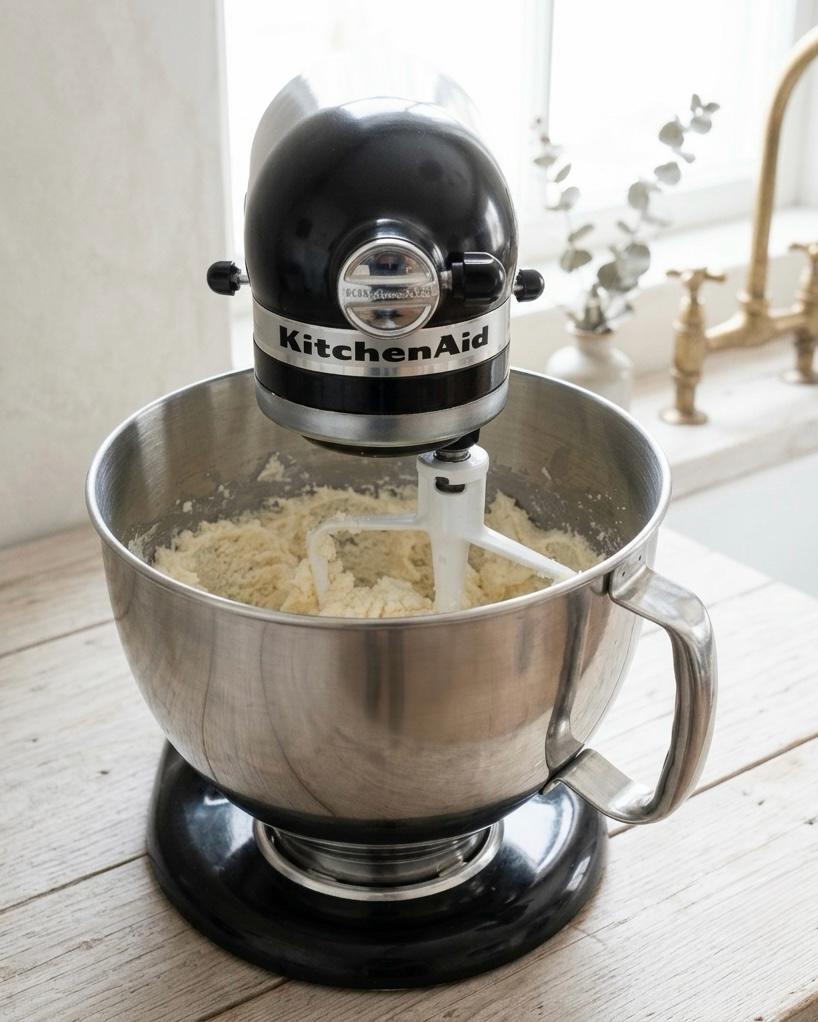
Learn the Baking Technique That Makes Cookies, Cakes, and Muffins Light, Tender, and Delicious
If you’ve ever wondered why some homemade cookies turn out thick and chewy while others are flat and dense, the answer often starts with one simple technique: creaming butter and sugar.
This foundational baking method is used in countless recipes, from chocolate chip cookies and pound cakes to muffins and loaf cakes. When done correctly, it creates tiny air pockets that help baked goods rise evenly while producing a lighter, softer texture.
Whether you’re a beginner baker or simply want more consistent results, learning how to cream butter and sugar properly is one of the most valuable baking skills you can master.
What Does “Creaming Butter and Sugar” Mean?
Creaming butter and sugar is the process of beating softened butter together with sugar until the mixture becomes light, fluffy, and noticeably paler in color.
As the sugar crystals move through the butter, they create thousands of tiny air pockets. During baking, these air pockets expand from the heat, helping cookies, cakes, and muffins develop a lighter texture and better structure.
This step isn’t just about combining ingredients—it helps build the foundation of the entire recipe.
Why This Technique Matters
Taking a few extra minutes to cream butter and sugar correctly can make a remarkable difference in your baking.
Proper creaming helps:
- Create a lighter, more tender texture.
- Produce thicker, fluffier cookies.
- Improve the rise of cakes and muffins.
- Give baked goods a finer, more even crumb.
- Distribute ingredients more evenly throughout the batter.
Skipping this step or rushing through it often leads to dense, heavy baked goods with less volume.
What You’ll Need
Before you begin, gather the following:
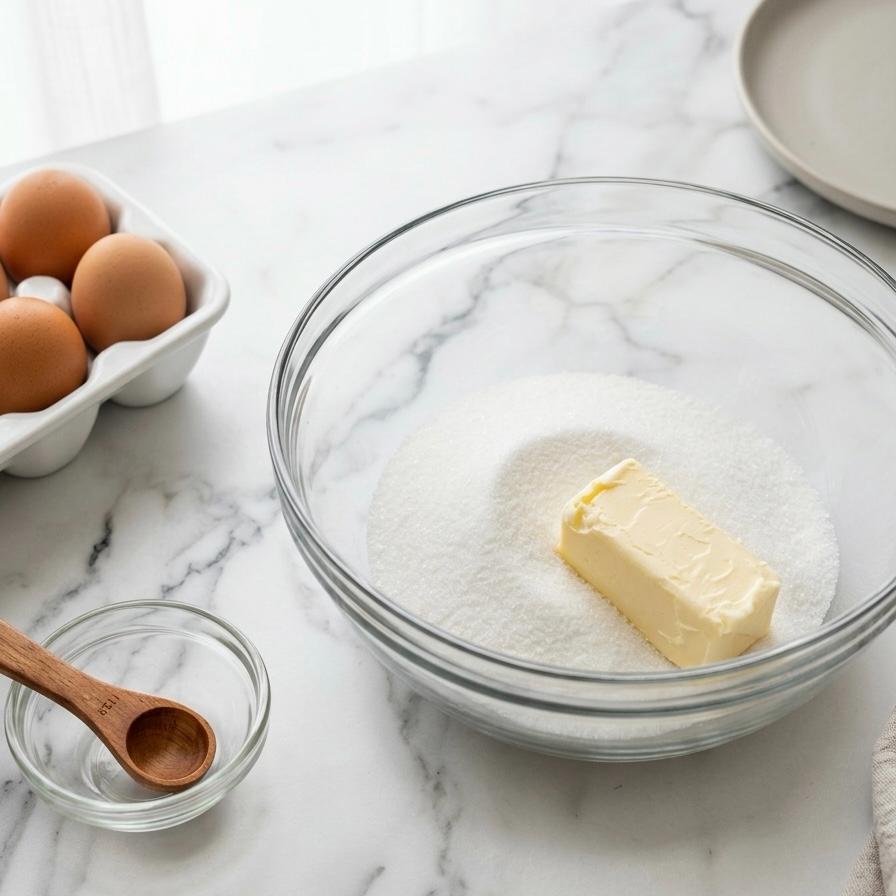
- Softened unsalted butter
- Granulated sugar, brown sugar, or both (depending on the recipe)
- A large mixing bowl
- A stand mixer or hand mixer
- A rubber spatula
While the technique can be done by hand, an electric mixer produces much more consistent results.
Step 1: Start with Properly Softened Butter
The butter should be soft enough to press gently with your finger while still holding its shape.
If the butter is too cold, it won’t trap enough air.
If it’s melted or overly soft, it won’t create the structure needed for proper creaming.
As a general rule, butter should sit at room temperature for about 30 to 60 minutes, depending on the temperature of your kitchen.
Step 2: Beat the Butter First
Place the softened butter in your mixing bowl and beat it on medium speed for about 30 to 60 seconds.
This helps smooth the butter and prepares it to incorporate the sugar more evenly.
Step 3: Gradually Add the Sugar
Add the sugar a little at a time while continuing to mix.
This allows the sugar crystals to distribute evenly throughout the butter instead of forming clumps.
Continue mixing on medium speed.
Avoid using the highest mixer speed, as it can warm the butter too quickly.
Step 4: Continue Mixing Until Light and Fluffy
This is the step many bakers rush.
Most recipes require about 3 to 5 minutes of mixing with a stand mixer. A hand mixer may take a little longer.
As you mix, you’ll notice several changes:
- The color becomes noticeably lighter.
- The mixture increases in volume.
- The texture becomes soft and fluffy.
- The butter no longer looks heavy or greasy.
These are the signs that the creaming stage is complete.
How to Tell When It’s Ready
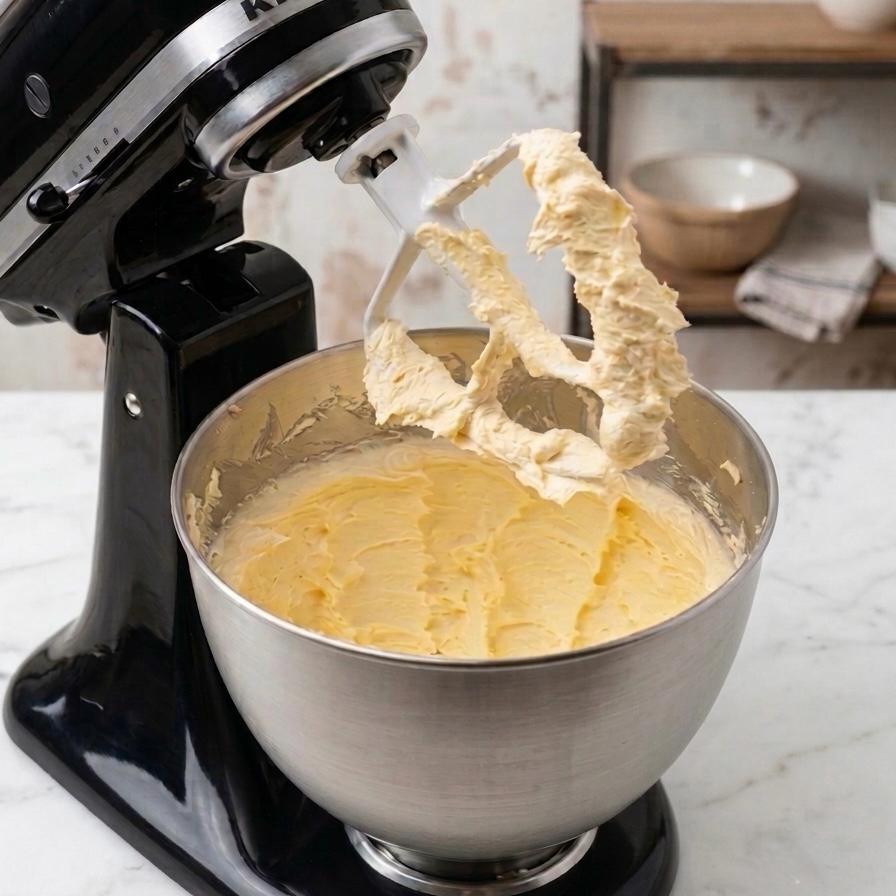
A properly creamed mixture should:
- Look pale rather than deep yellow.
- Feel light and airy.
- Hold soft peaks.
- Appear fluffy instead of dense.
- Have a smooth, creamy consistency.
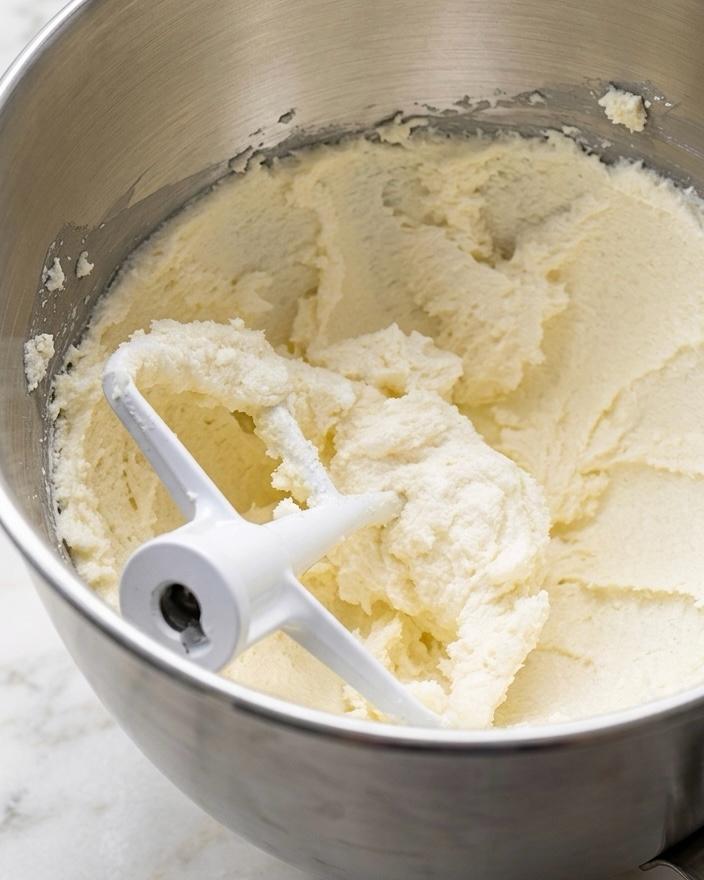
If the mixture still looks compact or shiny, continue mixing for another minute before checking again.
Common Mistakes
Using Cold Butter
Cold butter cannot trap enough air, resulting in dense cookies and cakes.
Always begin with softened butter.
Using Melted Butter
Melted butter completely changes the chemistry of the recipe.
Instead of trapping air, it creates a heavy batter that spreads much more during baking.
Not Mixing Long Enough
Many bakers stop after only a minute.
The butter may appear combined with the sugar, but it hasn’t yet developed enough air for the best texture.
Mixing Too Long
Although uncommon, excessive mixing can warm the butter too much, causing it to lose structure.
Once the mixture is pale and fluffy, move on to the next ingredient.
Forgetting to Scrape the Bowl
Butter often sticks to the sides and bottom of the bowl.
Use a rubber spatula once or twice during mixing to ensure everything is incorporated evenly.
Frequently Asked Questions
Can I cream butter and sugar by hand?
Yes, although it requires significantly more effort and usually doesn’t incorporate as much air as an electric mixer.
Can I use salted butter?
Yes, but many baking recipes are developed with unsalted butter because it gives you more control over the final salt level.
What if my butter is too soft?
If the butter looks greasy or begins melting, refrigerate it for about 10 to 15 minutes before continuing.
Why does the mixture look curdled after adding eggs?
This usually happens when the eggs are too cold.
Room-temperature eggs blend more smoothly into the creamed butter and sugar.
Can I overmix after adding flour?
Yes.
Once the flour is added, mix only until no dry streaks remain. Overmixing at this stage develops gluten and can make baked goods tougher.
Pro Tips for Better Baking
- Use room-temperature ingredients whenever possible.
- Scrape down the bowl during mixing for even incorporation.
- Mix on medium speed instead of high speed.
- Add eggs one at a time after the creaming stage.
- Stop mixing once the butter becomes pale, fluffy, and increased in volume.
- Follow the recipe’s mixing times as a guide, but rely on visual cues rather than the clock.
Recipes That Use the Creaming Method
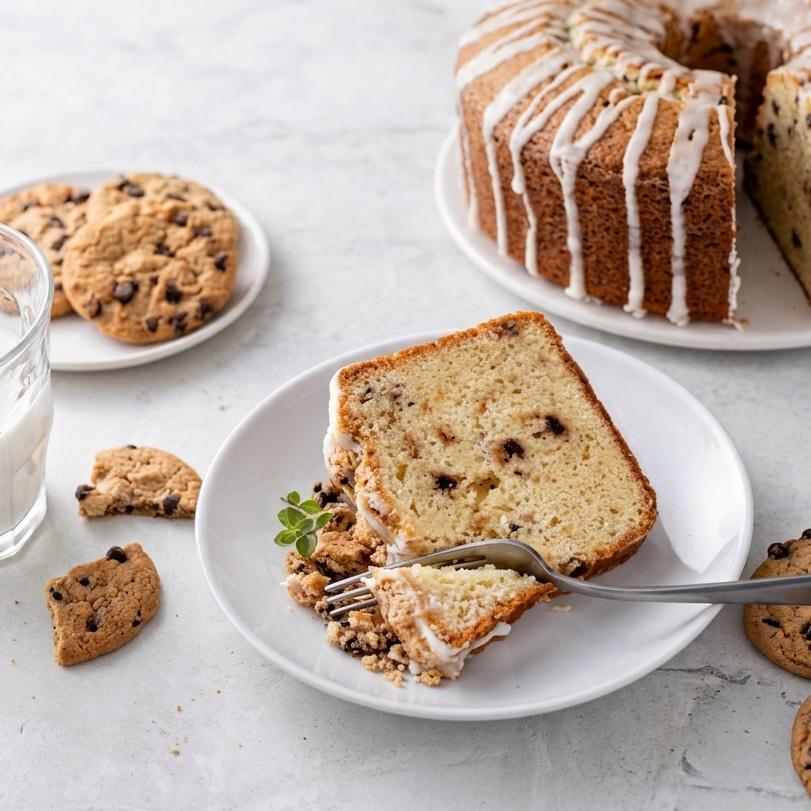
Once you’ve mastered this technique, you’ll use it again and again in many classic baked goods.
This method is commonly used for:
- Classic Chocolate Chip Cookies
- Brown Butter Chocolate Chip Cookies
- Bakery-Style Chocolate Chip Cookies
- Lemon Loaf Cake
- Vanilla Pound Cake
- Blueberry Muffins
- Coffee Cake
- Butter Cake
- Banana Bread
- Sugar Cookies
As your recipe collection grows, return to this guide whenever you need a refresher. Mastering the creaming method is one of the simplest ways to improve your baking and achieve consistently delicious results.
Leave a Reply