
The Simple Baking Technique That Can Make Every Recipe More Successful
Measuring flour may seem like one of the easiest steps in baking, but it’s also one of the most important. Even a small difference in the amount of flour can completely change the texture of cookies, cakes, muffins, breads, and pastries.
Too much flour can produce dry, dense baked goods, while too little flour may cause cookies to spread too much or cakes to collapse.
Learning the correct way to measure flour takes only a few seconds and can dramatically improve your baking results.
Unlike many other ingredients, flour compacts easily.
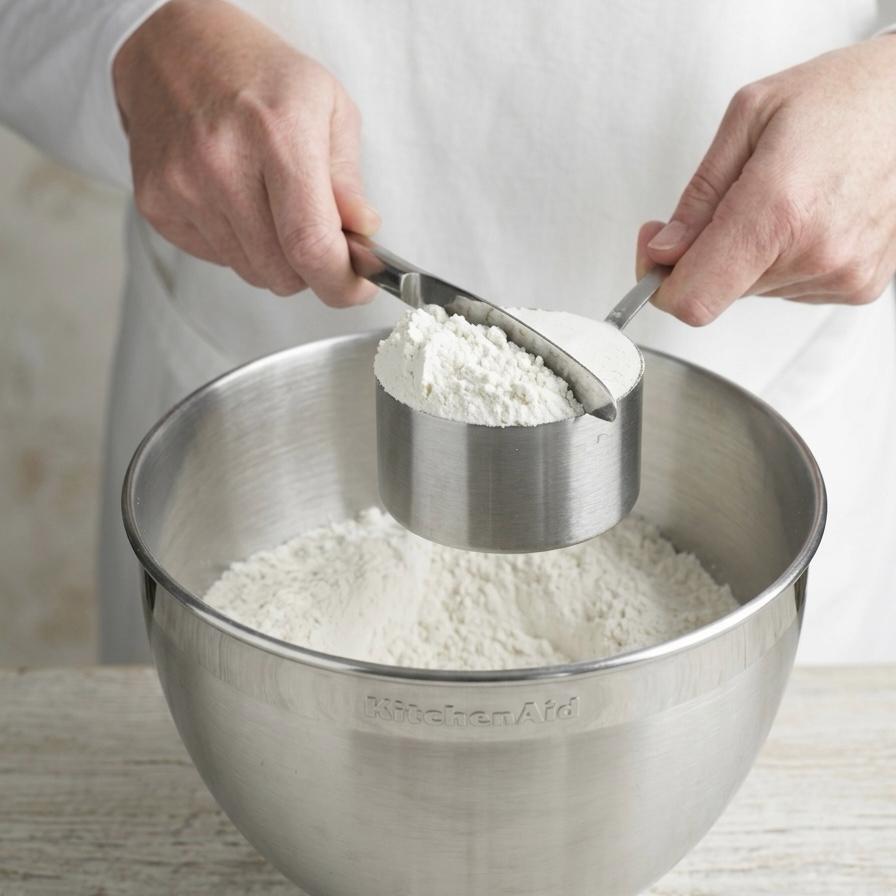
Why Measuring Flour Correctly Matters
Scooping directly into a bag or container compresses the flour, meaning you may accidentally add much more than the recipe intends.
Just a few extra tablespoons can affect:
- Texture
- Moisture
- Structure
- Rise
- Baking time
Professional bakers know that consistent measurements lead to consistent results.
The Best Way to Measure Flour
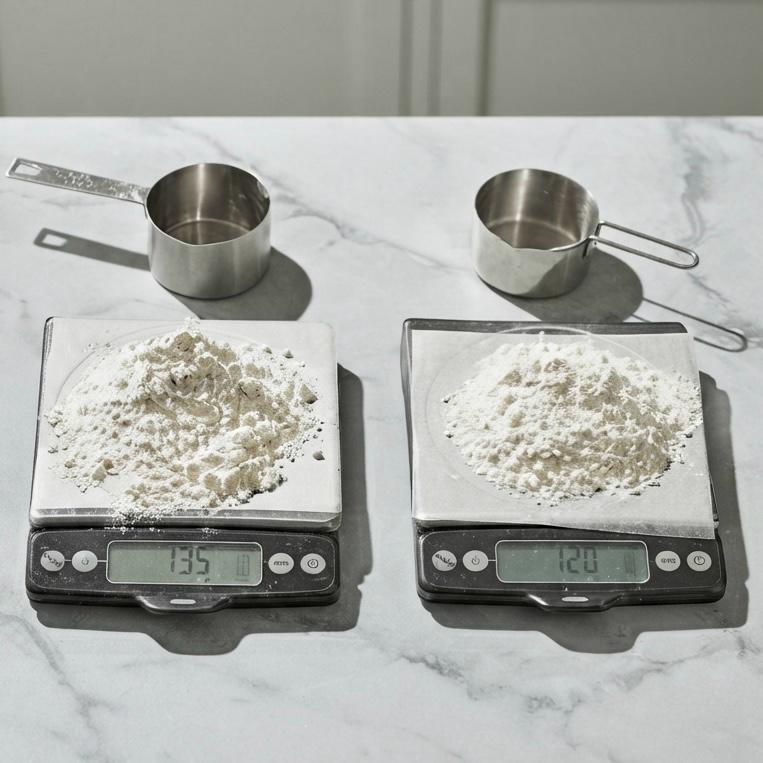
The most accurate method is using a digital kitchen scale.
A scale eliminates guessing and ensures every recipe is measured consistently.
Whenever a recipe includes gram measurements, use them instead of volume whenever possible.
For recipes measured in cups, the Spoon and Level Method is the most reliable technique.
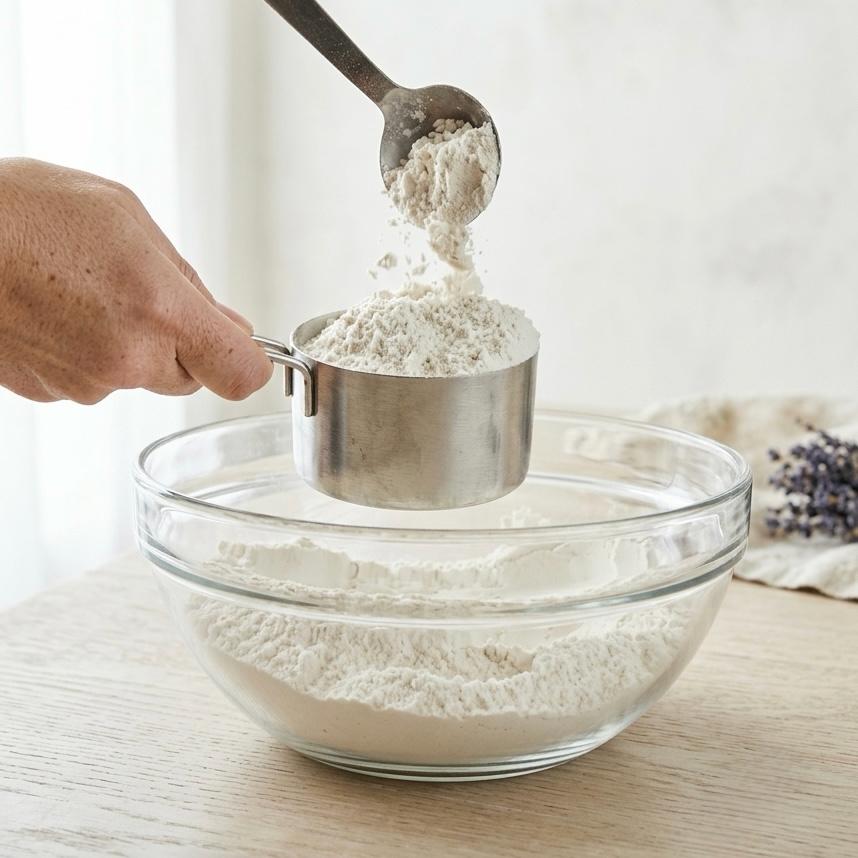
The Spoon and Level Method
This method is considered the standard for measuring flour by volume.
Step 1
Fluff the flour gently with a spoon to loosen it.
Step 2
Use a spoon to transfer flour into the measuring cup. Never scoop directly with the measuring cup.
Step 3
Fill the measuring cup until it slightly overflows.
Step 4
Use the straight edge of a knife or bench scraper to level the top. Do not shake or tap the cup. This produces the most accurate cup measurement.
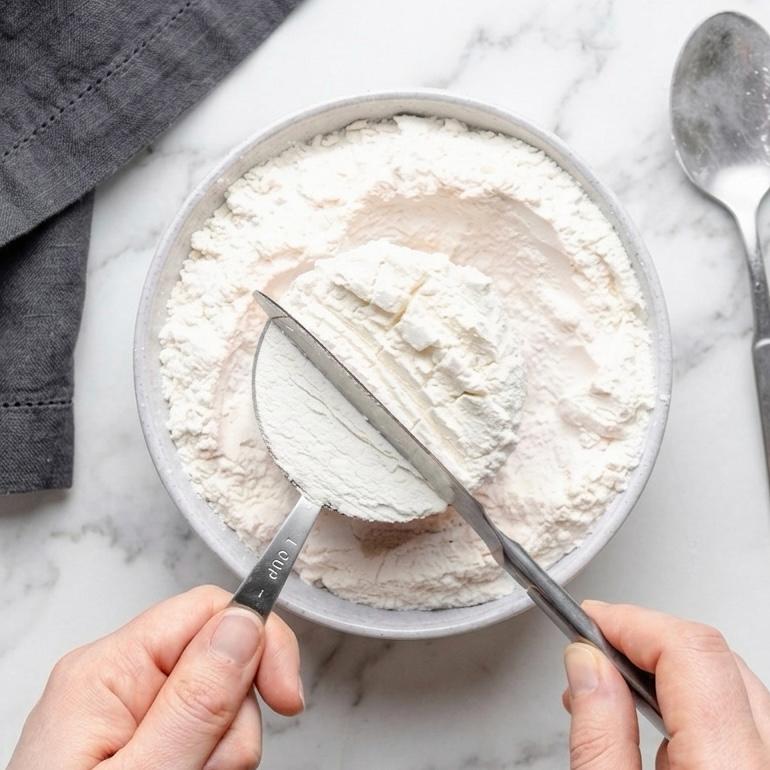
Common Measuring Mistakes
Several habits can unintentionally add too much flour.
Avoid:
- Scooping directly into the flour bag.
- Packing the flour down.
- Tapping the measuring cup.
- Shaking the flour to level it.
- Using the wrong measuring cup.
These small mistakes often result in dry or heavy baked goods.
Should You Sift Flour First?
Most modern recipes do not require sifting flour before measuring unless specifically stated.
If a recipe says:
“1 cup sifted flour,” sift first, then measure.
If it says:
“1 cup flour, sifted,” measure first, then sift.
Reading recipes carefully makes a big difference.
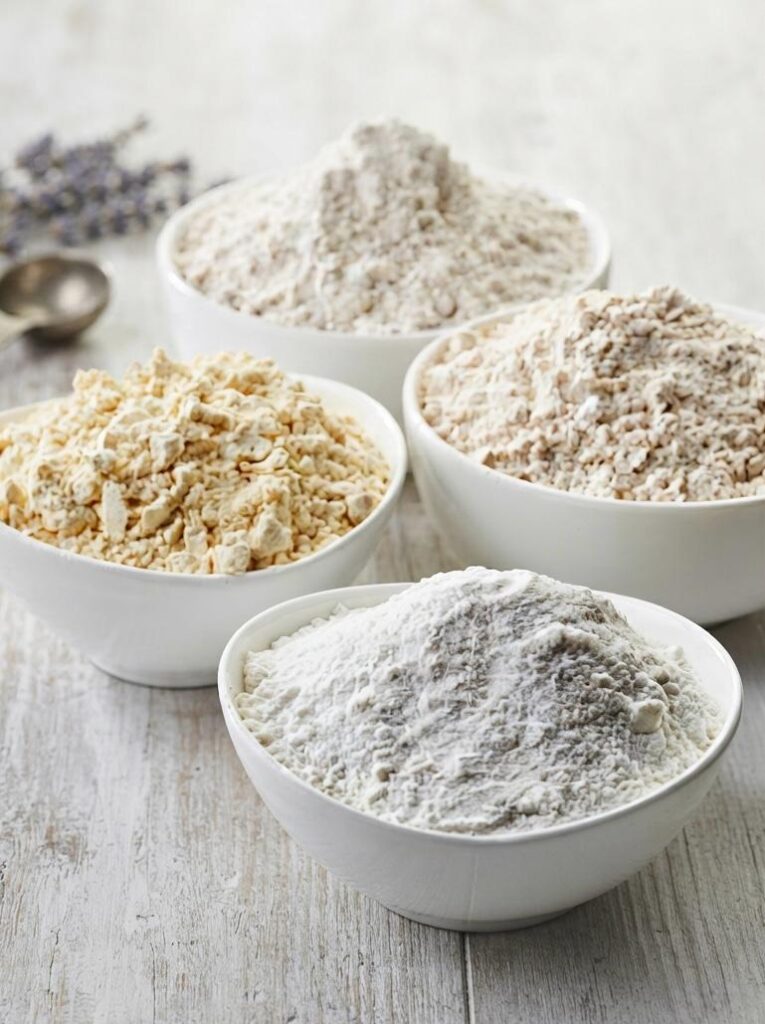
Measuring Different Types of Flour
Different flours have different densities.
For example:
- All-purpose flour
- Bread flour
- Cake flour
- Whole wheat flour
- Self-rising flour
Although the measuring technique remains the same, always use the type of flour specified in the recipe.
Substituting flours may affect texture and structure.
Common Baking Problems Caused by Too Much Flour
Incorrect flour measurements often cause:
- Dry cookies.
- Dense cakes.
- Tough muffins.
- Heavy quick breads.
- Thick cookie dough.
- Crumbly baked goods.
Many baking failures can be traced back to adding more flour than intended.
Frequently Asked Questions
Should I always weigh flour?
Yes, whenever gram measurements are available.
Can I scoop flour with the measuring cup?
It’s not recommended because it compacts the flour.
Why do professional bakers weigh ingredients?
A scale provides much greater accuracy and consistency.
Should flour be sifted before measuring?
Only if the recipe specifically instructs you to do so.
Does humidity affect flour?
Yes. Flour can absorb moisture from the air, which is another reason weighing ingredients is more reliable.
Pro Tips
- Keep flour stored in an airtight container.
- Fluff flour before measuring by volume.
- Spoon flour gently into the measuring cup.
- Level the top without tapping.
- Whenever possible, use a digital kitchen scale for the most accurate results.
➡️ IMAGE 6
Recipes That Benefit from Proper Flour Measurement
Correct flour measurement improves nearly every baked recipe, including:
- Classic Chocolate Chip Cookies
- Brown Butter Chocolate Chip Cookies
- Bakery-Style Chocolate Chip Cookies
- Vanilla Cake
- Lemon Loaf Cake
- Blueberry Muffins
- Banana Bread
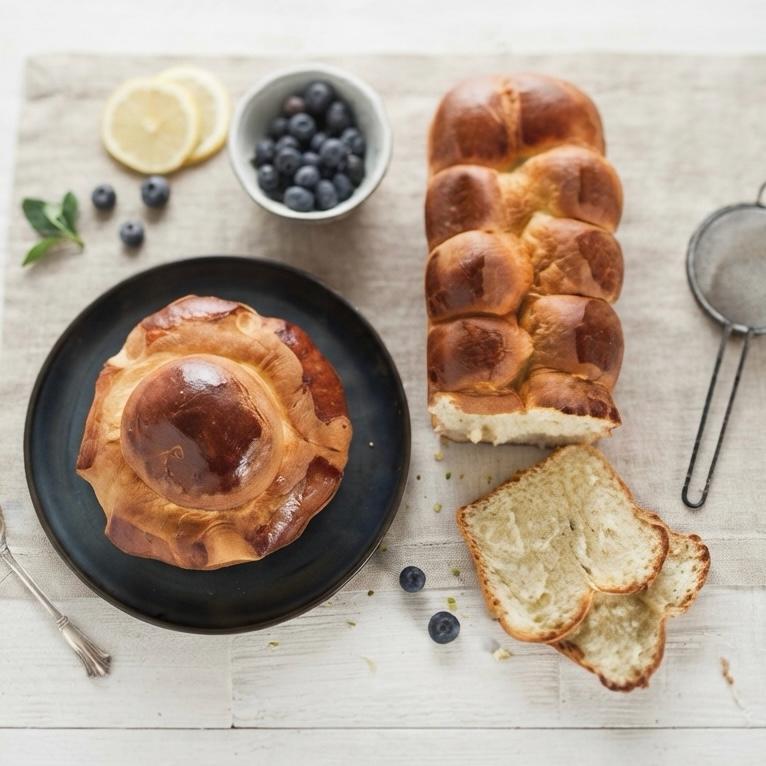
- Brioche
- Artisan Bread
- Sugar Cookies
Mastering this simple technique will help you bake with greater confidence and produce consistently tender, moist, and perfectly textured baked goods every time.
Leave a Reply