
Discover Why This Simple Step Can Make or Break Your Baking
One of the most common instructions in baking recipes is to use room temperature ingredients. While it may seem like a small detail, it plays a major role in the texture, structure, and consistency of your baked goods.
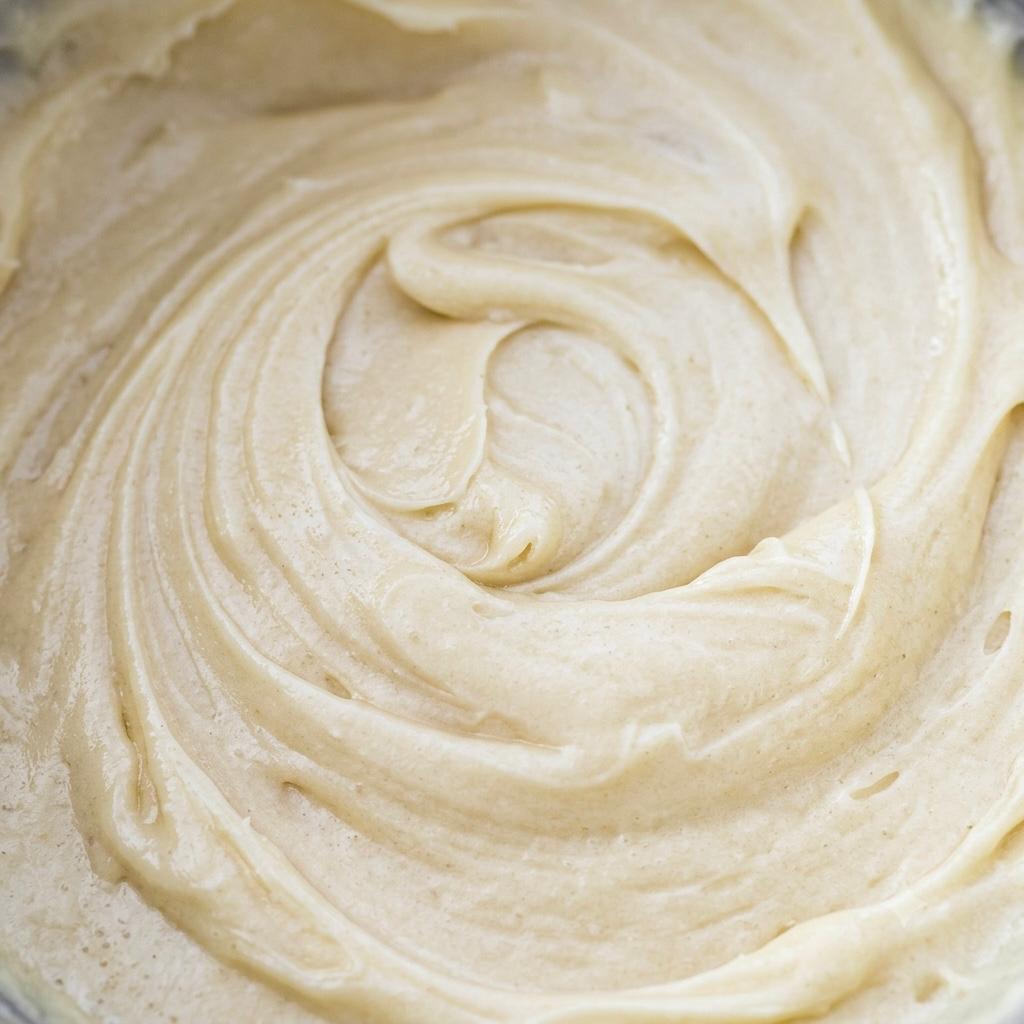
Butter, eggs, milk, cream cheese, and other refrigerated ingredients blend much more smoothly when they are at room temperature. This creates a more stable batter, improves air incorporation, and helps baked goods bake evenly.
Whether you’re making cookies, cakes, muffins, or quick breads, understanding why room temperature ingredients matter will help you achieve more consistent, bakery-quality results.
What Are Room Temperature Ingredients?
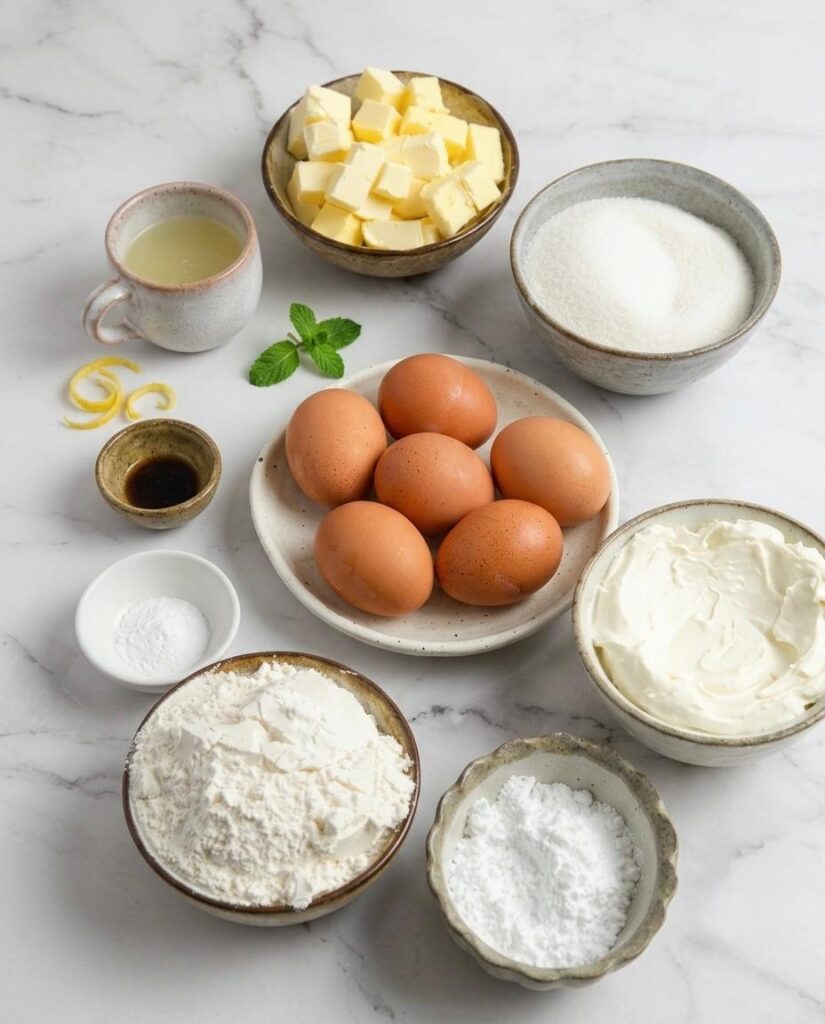
Room temperature ingredients are ingredients that have been allowed to warm naturally after being refrigerated.
In most kitchens, room temperature is about 68–72°F (20–22°C).
At this temperature:
- Butter is soft but still holds its shape.
- Eggs lose their chill.
- Milk and cream blend more easily.
- Cream cheese becomes smooth and spreadable.
These small changes make ingredients easier to combine, resulting in a smoother batter and a better final texture.
Why Room Temperature Ingredients Matter
When ingredients are close to the same temperature, they mix together much more evenly.
This helps:
- Create a smooth batter.
- Trap more air during mixing.
- Prevent curdling.
- Bake more evenly.
- Produce lighter cakes and softer cookies.
- Improve texture and structure.
Cold ingredients often resist blending, leading to uneven batters and inconsistent baking results.
Which Ingredients Should Be at Room Temperature?
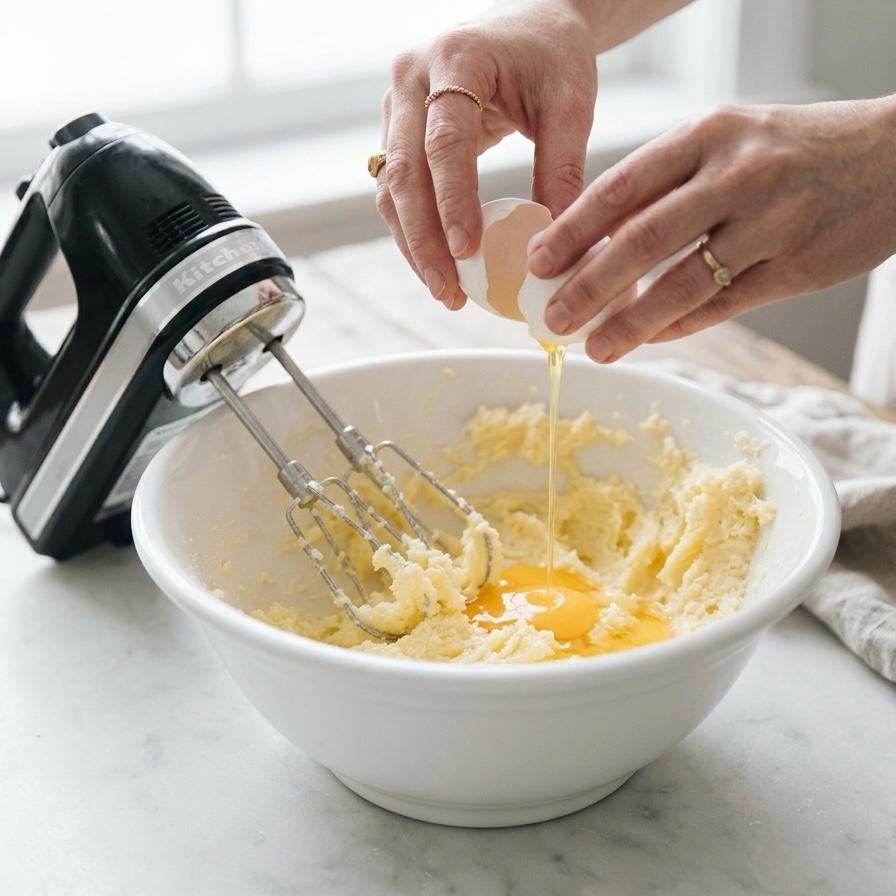
Many baking recipes benefit from room temperature ingredients, especially those using the creaming method.
Common ingredients include:
- Butter
- Eggs
- Milk
- Buttermilk
- Sour cream
- Yogurt
- Cream cheese
- Mascarpone
Always check your recipe, as some pastries intentionally use cold butter or cold liquids.
How to Bring Butter to Room Temperature
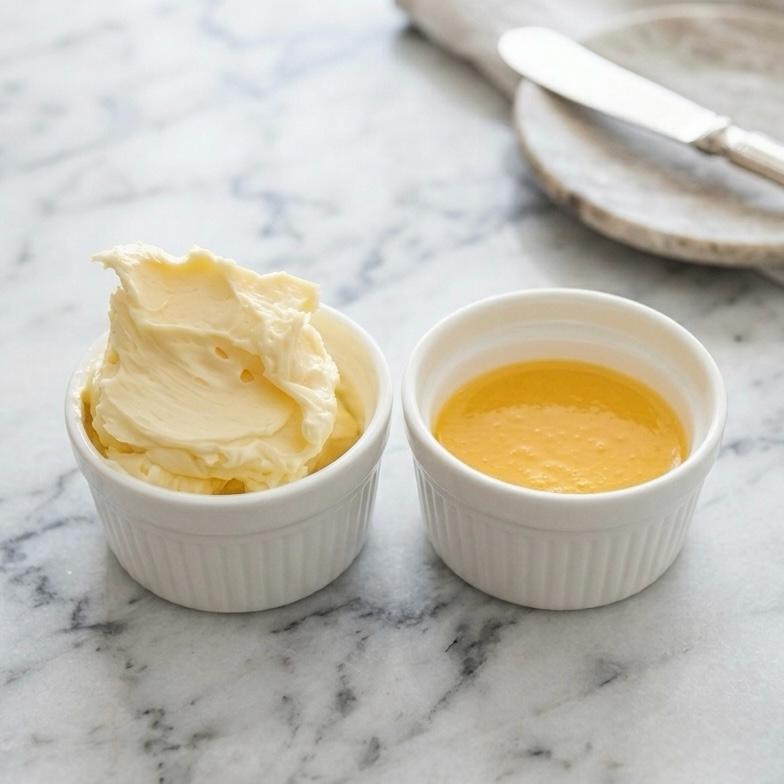
Softened butter should feel cool to the touch but yield slightly when pressed.
Depending on your kitchen, butter usually needs about 30 to 60 minutes on the counter.
Avoid microwaving butter until melted, as melted butter behaves very differently in baking.
How to Bring Eggs to Room Temperature
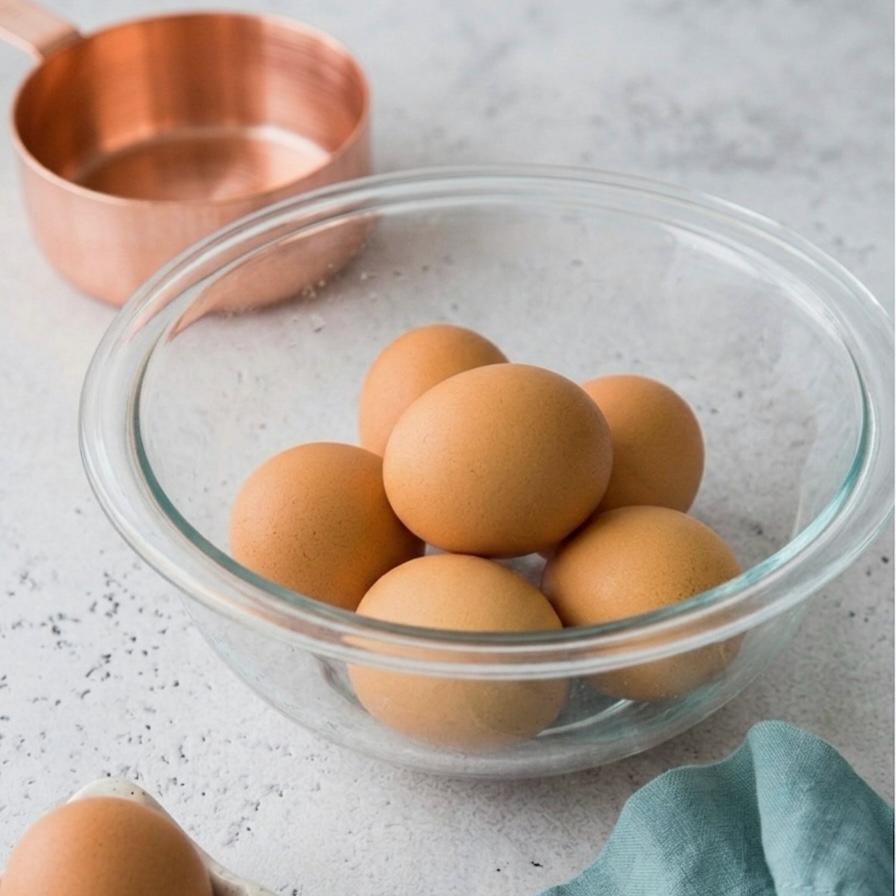
If you’re short on time, place the eggs in a bowl of warm (not hot) water for about 10 to 15 minutes.
This gently removes the chill without beginning to cook the eggs.
What Happens If Ingredients Are Too Cold?
Cold ingredients can create several baking problems.
You may notice:
- Batter that looks curdled.
- Butter that doesn’t cream properly.
- Dense cakes.
- Uneven texture.
- Poor rise.
- Longer baking times.
Many baking issues begin long before the pan goes into the oven.
Can Ingredients Be Too Warm?
Yes.
Butter that is overly soft or partially melted cannot trap enough air during mixing.
Eggs that become hot may begin to change texture before they’re added to the batter.
The goal is not warm ingredients—it is evenly tempered ingredients.
Common Mistakes
Using Butter Straight from the Refrigerator
Cold butter cannot cream properly.
Microwaving Butter Until Melted
Softened and melted butter are not interchangeable.
Adding Cold Eggs to Creamed Butter
This often causes the mixture to look curdled.
Forgetting Dairy Ingredients
Milk, sour cream, yogurt, and cream cheese should also warm slightly before mixing unless the recipe states otherwise.
Frequently Asked Questions
Can I leave butter out overnight?
In many climates, butter can safely remain covered at room temperature overnight, but always follow local food safety recommendations.
Can I microwave butter?
Yes, but only in very short intervals to soften it. Do not allow it to melt.
Are room temperature eggs really necessary?
For many cake and cookie recipes, yes. They blend much more smoothly into the batter.
Do all baking recipes require room temperature ingredients?
No. Some recipes, such as biscuits, pie crusts, puff pastry, and scones, specifically rely on cold butter.
What is the fastest way to warm eggs?
Place them in warm water for 10 to 15 minutes before using.
Pro Tips
- Read the recipe before starting so ingredients have time to warm naturally.
- Take butter out of the refrigerator first, then gather the remaining ingredients.
- Use room temperature eggs whenever possible.
- Avoid overheating ingredients in the microwave.
- If the batter begins to curdle, continue mixing—it will usually come together once the dry ingredients are added.

Recipes That Use Room Temperature Ingredients
Many classic baked goods rely on room temperature ingredients for their best texture.
These include:
- Classic Chocolate Chip Cookies
- Brown Butter Chocolate Chip Cookies
- Vanilla Cake
- Lemon Loaf Cake
- Blueberry Muffins
- Banana Bread
- Coffee Cake
- Pound Cake
- Sugar Cookies
- Cream Cheese Frosting
Mastering this simple baking habit will improve countless recipes and help you achieve lighter, smoother, and more consistent results every time you bake.
Leave a Reply