
Understand the Difference and Learn When to Use Each One
Baking powder and baking soda are two of the most important leavening agents in baking, yet they’re often confused. Although they may look nearly identical, they work in very different ways and are not always interchangeable.
Using the wrong one—or the wrong amount—can affect the rise, texture, color, and flavor of your baked goods. Understanding how each ingredient works will help you bake with more confidence and achieve better results every time.
Whether you’re making cookies, cakes, muffins, pancakes, or quick breads, this guide explains everything you need to know about baking powder and baking soda.
What Is Baking Soda?
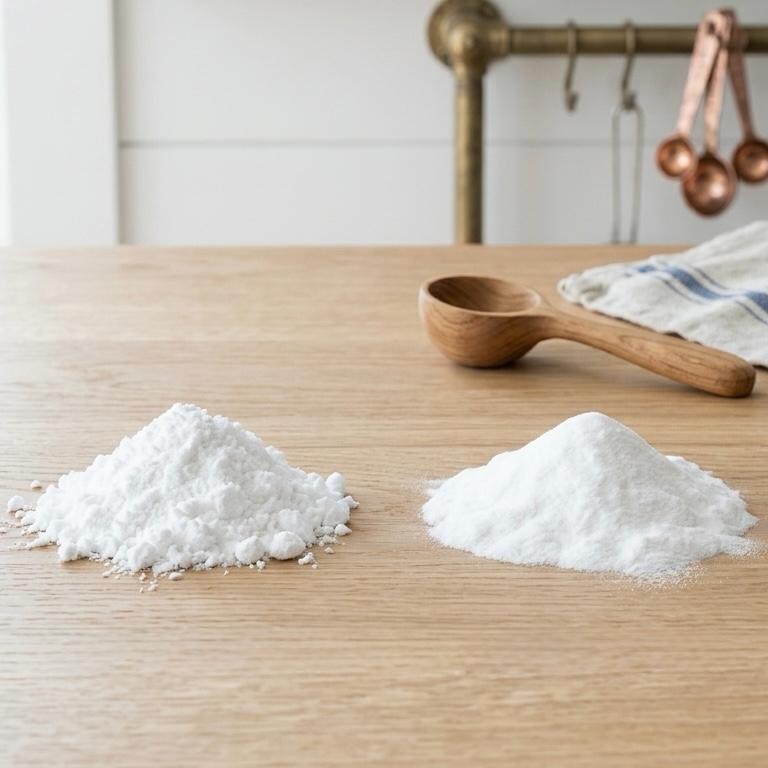
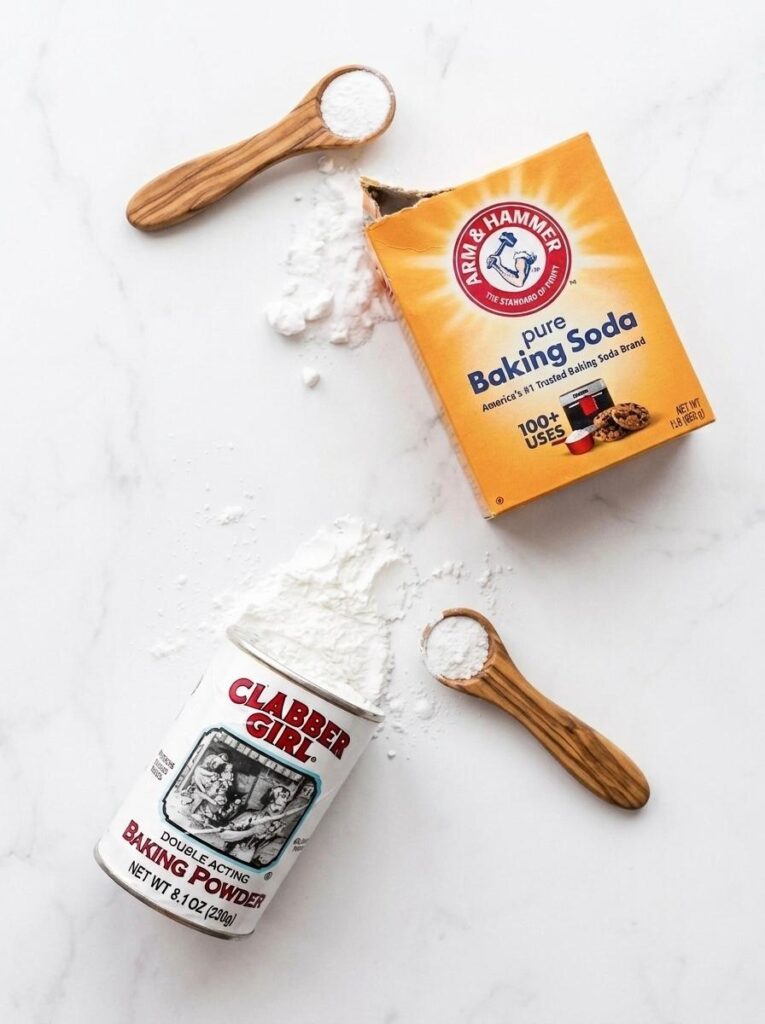
Baking soda, also known as sodium bicarbonate, is a pure chemical leavening agent.
It requires an acidic ingredient to activate, such as:
- Buttermilk
- Yogurt
- Sour cream
- Lemon juice
- Vinegar
- Brown sugar
- Natural cocoa powder
Once combined with both moisture and an acid, baking soda immediately begins producing carbon dioxide gas, which creates bubbles that help baked goods rise.
For this reason, recipes using baking soda should be baked soon after mixing.
What Is Baking Powder?
Baking powder is a complete leavening agent because it already contains baking soda along with one or more powdered acids.
Most baking powder sold today is double-acting, meaning it reacts twice:
- The first reaction begins when the batter becomes wet.
- The second reaction occurs in the oven as the batter heats.
This two-stage process provides a more gradual and reliable rise.
What Is the Difference?
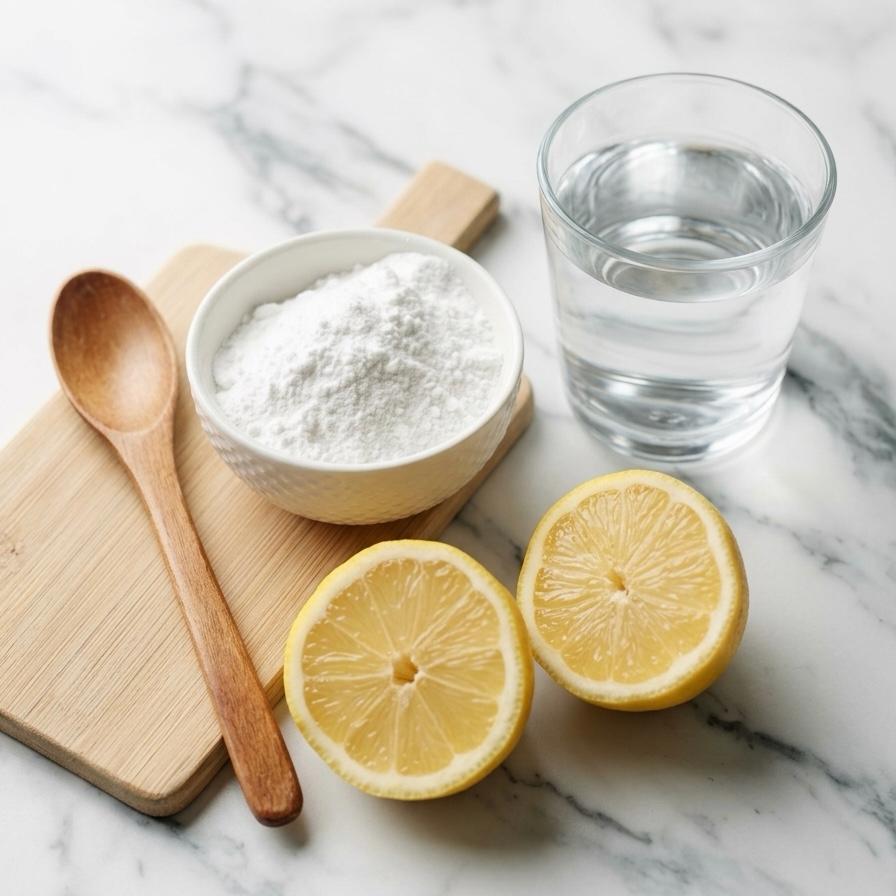
Although both ingredients help baked goods rise, they work differently.
Baking soda:
- Needs an acidic ingredient.
- Reacts immediately.
- Produces stronger browning.
- Can leave a metallic taste if too much is used.
Baking powder:
- Contains its own acid.
- Works more slowly.
- Produces a gentler rise.
- Is commonly used in cakes and muffins.
Understanding this difference helps explain why recipes call for one, the other, or sometimes both.
Why Some Recipes Use Both
Some recipes include both baking soda and baking powder.
This isn’t a mistake.
Baking soda neutralizes acidic ingredients while helping create rich browning and flavor.
Baking powder provides additional lift, ensuring the baked goods rise properly even if there isn’t enough acid to activate more baking soda.
Chocolate chip cookies, muffins, and many cakes often benefit from this combination.
Can You Substitute One for the Other?
In most cases, no.
Although both are leavening agents, they are formulated differently.
Replacing baking soda with baking powder—or vice versa—usually changes the texture, rise, and flavor of the finished recipe.
For the best results, always use the ingredient listed in the recipe.
Common Baking Problems
Using the wrong leavening agent can lead to several common issues.
You may notice:
- Flat cookies.
- Dense cakes.
- Bitter or metallic flavors.
- Uneven texture.
- Poor rise.
- Pale baked goods.
Many of these problems can be avoided simply by measuring carefully and using fresh ingredients.
How to Check If They’re Still Fresh
Leavening agents lose strength over time.
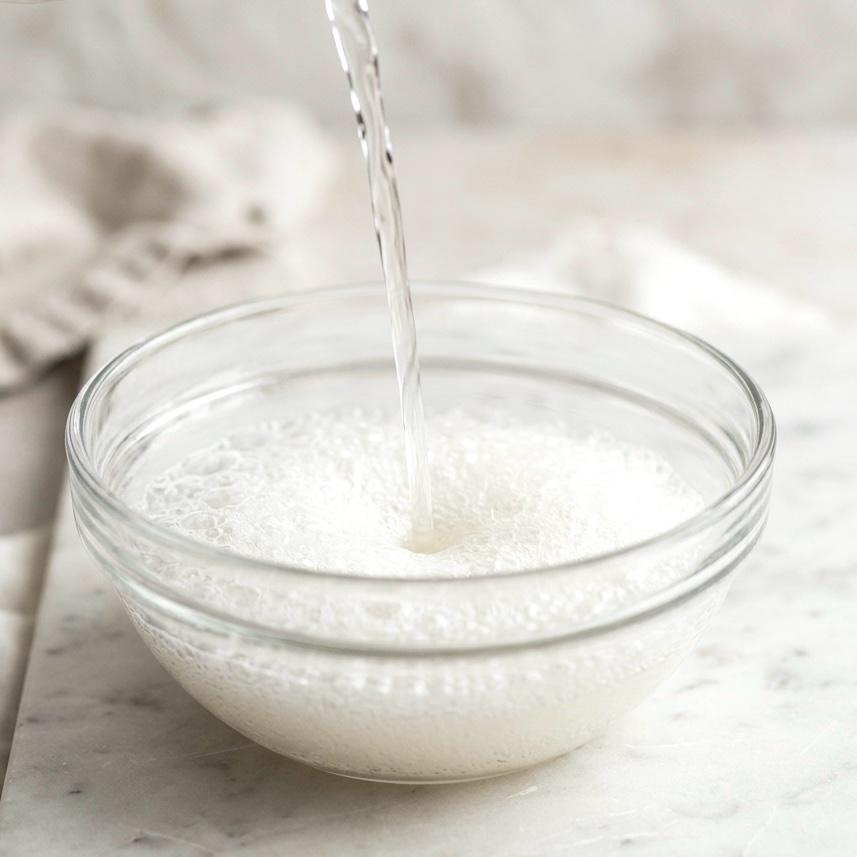
To test baking powder:
Stir one teaspoon into hot water.
It should bubble immediately.
To test baking soda:
Add one teaspoon to a small amount of vinegar or lemon juice.
It should fizz vigorously.
If little or no bubbling occurs, it’s time to replace the container.
Common Mistakes
Using Expired Leavening Agents
Old baking powder and baking soda lose their effectiveness.
Measuring Incorrectly
Even small measurement errors can affect the final texture.
Confusing the Two Ingredients
Although they look similar, they perform different functions.
Waiting Too Long to Bake
Recipes containing baking soda should generally go into the oven soon after mixing.
Frequently Asked Questions
Can I substitute baking powder for baking soda?
Not usually. The results will be different because the two ingredients work differently.
Why does my recipe use both?
One improves browning while the other provides additional lift.
Which ingredient makes cookies spread more?
Many cookie recipes use baking soda because it encourages spreading and browning.
Does baking powder expire?
Yes. It gradually loses its ability to produce gas over time.
Can I use more baking powder to make cakes rise higher?
No. Too much can negatively affect texture and flavor.
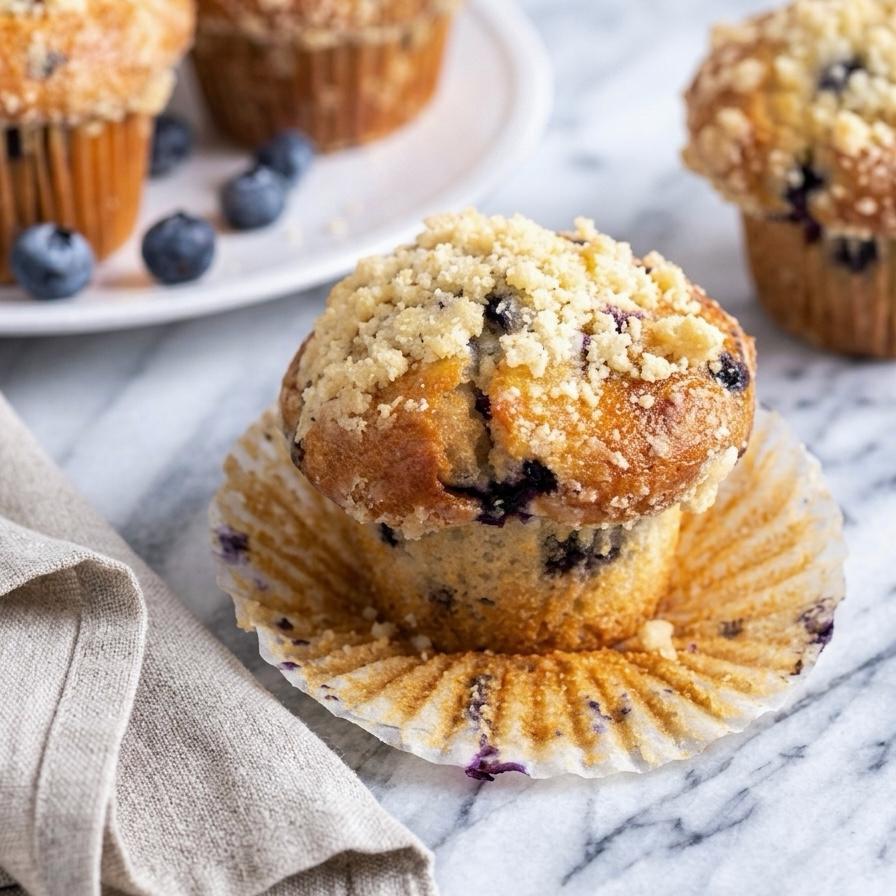
Pro Tips
- Store both ingredients in a cool, dry place.
- Replace opened containers every 6 to 12 months for best results.
- Always level measuring spoons.
- Read the recipe carefully before beginning.
- Never assume baking powder and baking soda are interchangeable.
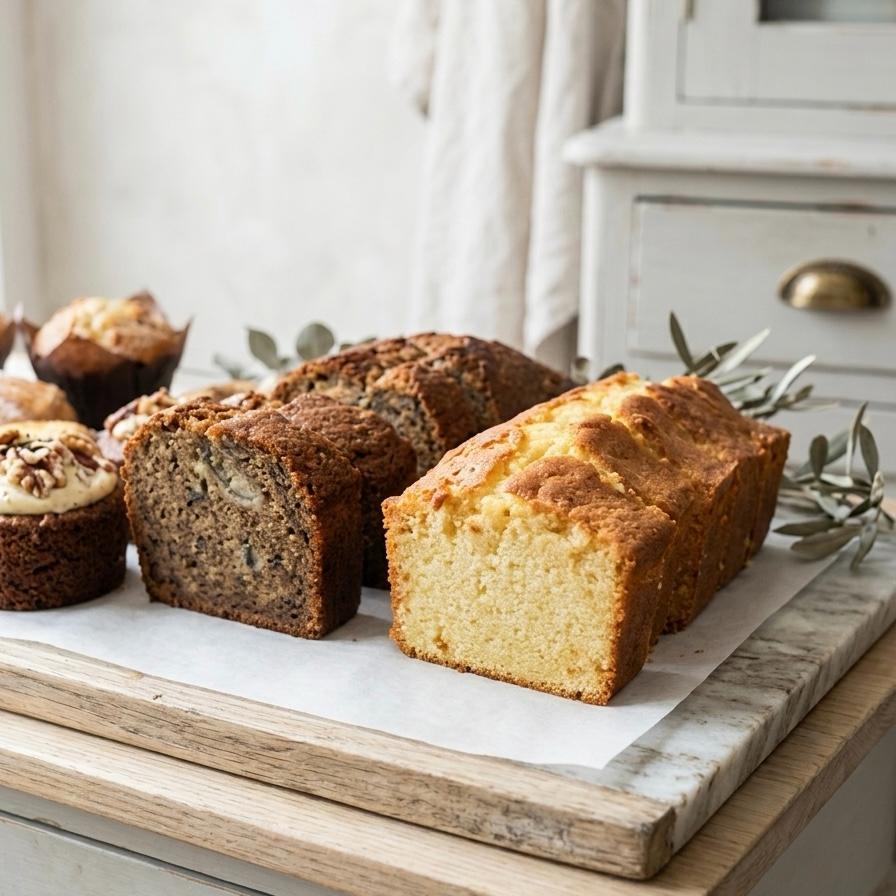
Recipes That Use Baking Powder and Baking Soda
Understanding these ingredients will improve many baking recipes, including:
- Classic Chocolate Chip Cookies
- Brown Butter Chocolate Chip Cookies
- Blueberry Muffins
- Lemon Loaf Cake
- Vanilla Cake
- Banana Bread
- Coffee Cake
- Buttermilk Biscuits
- Pancakes
- Red Velvet Crinkle Cookies
Once you understand how baking powder and baking soda work, you’ll be able to troubleshoot recipes more confidently and achieve lighter, more consistent baked goods every time.
Leave a Reply