
Learn the Simple Technique That Adds Incredible Flavor to Cookies, Cakes, and More
Brown butter is one of the easiest ways to elevate your baking. With just one ingredient and a few extra minutes, you can transform ordinary butter into a rich, nutty ingredient that adds incredible depth of flavor to cookies, cakes, frostings, muffins, and pastries.
Although the process is simple, it happens quickly. Knowing exactly what to look for—and when to remove the butter from the heat—makes the difference between beautifully browned butter and burnt butter.
Whether you’re making bakery-style chocolate chip cookies or a classic pound cake, learning how to brown butter is a technique every home baker should master.
What Is Brown Butter?
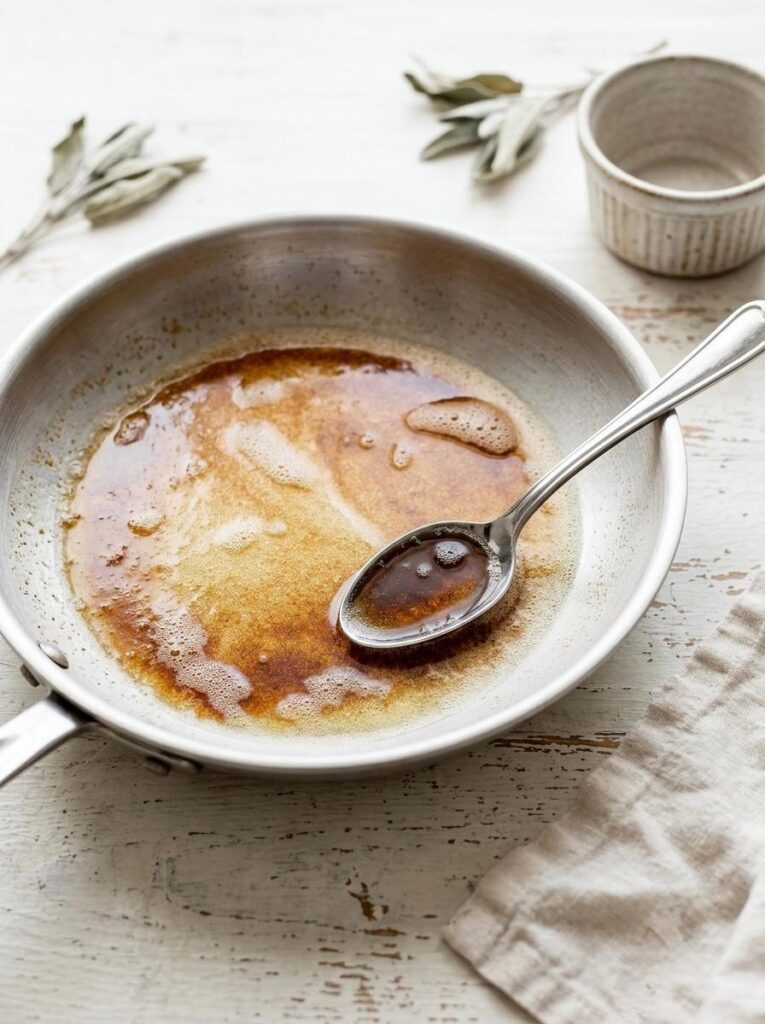
Brown butter, known in French as beurre noisette, is regular butter that has been gently cooked until the milk solids toast and turn golden brown.
As the butter melts, the water naturally evaporates. Once most of the moisture has cooked away, the milk solids sink to the bottom of the pan and begin to caramelize.
This creates an unmistakable nutty aroma and a deep, buttery flavor that cannot be achieved with melted butter alone.
The result is a richer ingredient that instantly upgrades both sweet and savory recipes.
Why Brown Butter Makes Such a Difference
Brown butter isn’t simply melted butter.
The gentle toasting process develops hundreds of new flavor compounds, giving baked goods a deeper, more complex taste.
Brown butter helps:
- Add rich nutty flavor.
- Enhance caramel notes.
- Intensify chocolate flavors.
- Create bakery-style cookies.
- Add depth to cakes and muffins.
- Balance sweet desserts.
Many professional bakers use brown butter because it creates gourmet flavor with almost no extra effort.
What You’ll Need
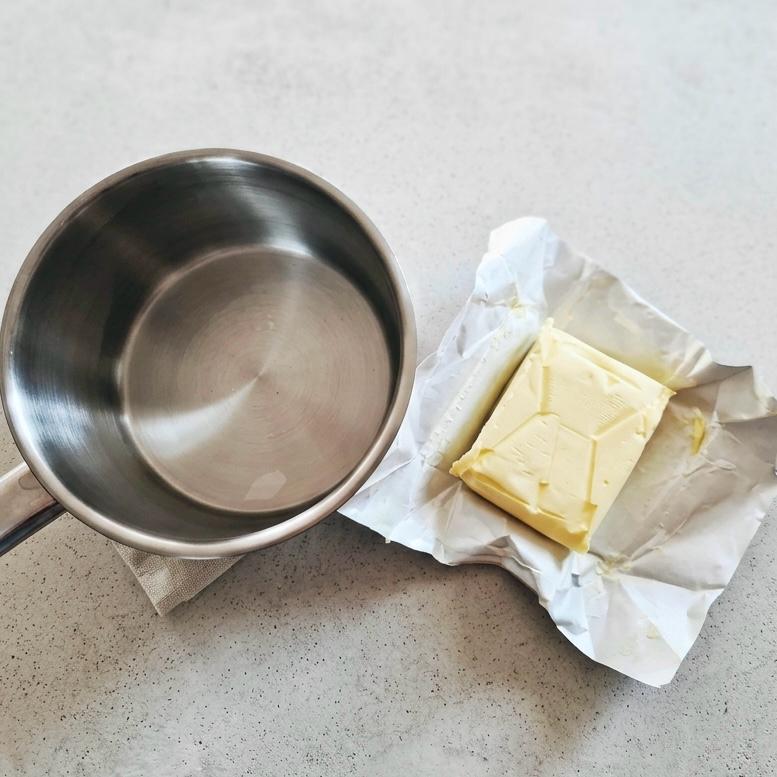
Fortunately, making brown butter requires only a few kitchen tools.
Gather:
- Unsalted butter
- Light-colored saucepan
- Wooden spoon or silicone spatula
- Heatproof bowl
A light-colored saucepan is highly recommended because it allows you to easily monitor the color of the milk solids as they brown.
Step 1: Melt the Butter
Place the butter into the saucepan over medium heat.
As it melts, it will separate into butterfat, milk solids, and water.
Continue stirring occasionally while the butter melts completely.
Step 2: Watch for Foam
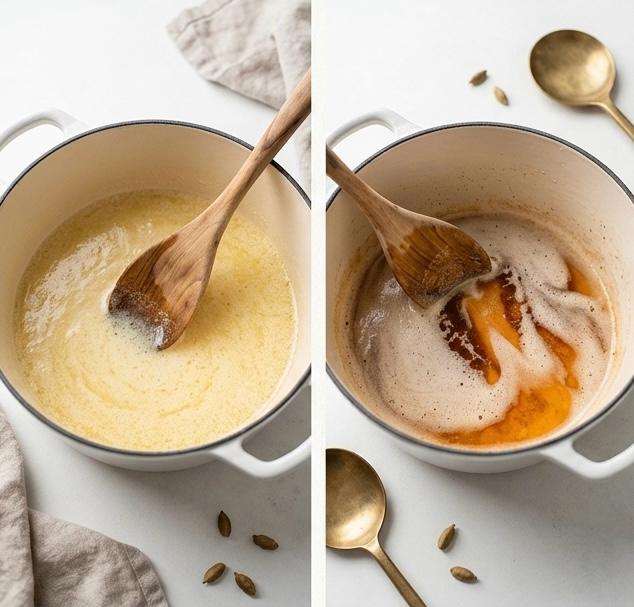
After a minute or two, the butter will begin to foam.
This is completely normal.
The foam is created as water evaporates from the butter.
Continue stirring gently while watching underneath the foam.
Step 3: Look for Golden Brown Milk Solids
As the foaming slows, you’ll notice tiny golden specks forming at the bottom of the pan.
Soon those specks will deepen into a beautiful golden-brown color.
You’ll also notice the aroma changing dramatically.
Instead of smelling like melted butter, it will begin smelling warm, toasted, and slightly nutty.
This is exactly what you’re looking for.
Step 4: Remove Immediately
Once the milk solids become deep golden brown, immediately remove the pan from the heat.
Pour the butter into a heatproof bowl right away.
Leaving it in the hot pan for even another minute can cause the milk solids to burn.
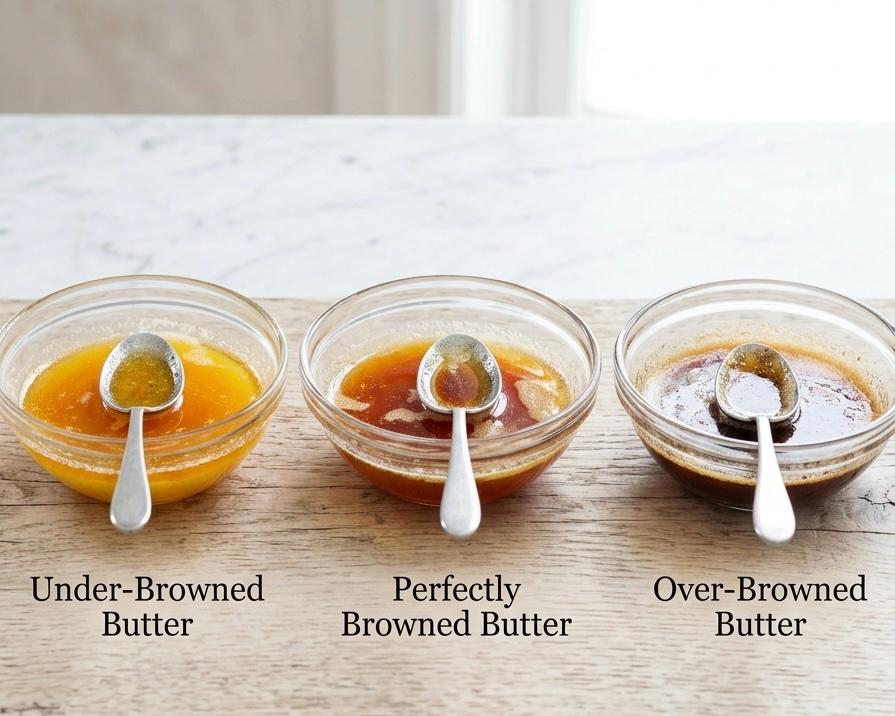
How to Tell When Brown Butter Is Perfect
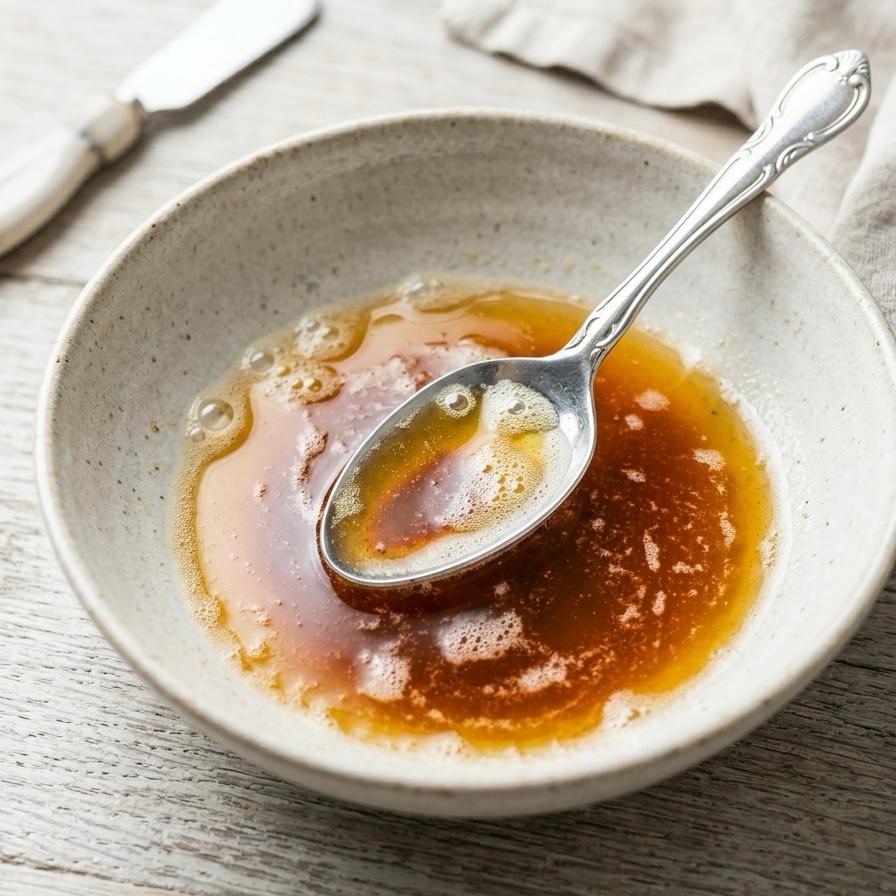
Perfect brown butter has several easy-to-recognize characteristics.
Look for:
- Rich amber color.
- Toasted golden-brown milk solids.
- Warm nutty aroma.
- Clear butterfat with brown specks.
- Smooth, glossy appearance.
If the butter smells bitter or the milk solids become black, it has burned and should not be used.
Common Mistakes
Using High Heat
Cooking too quickly often burns the milk solids before they have time to brown properly. Medium heat works best.
Walking Away
Brown butter changes rapidly during the final minute. Stay close to the stove and stir frequently.
Using a Dark Pan
Dark cookware makes it difficult to judge color accurately. Whenever possible, use a stainless steel or light-colored saucepan.
Leaving the Butter in the Pan
Even after removing it from the burner, the hot pan continues cooking the butter. Always transfer it immediately to another bowl.
Frequently Asked Questions
Can I use salted butter?
Yes, although most baking recipes recommend unsalted butter for better control of seasoning.
Does brown butter lose moisture?
Yes. Some of the water naturally evaporates during cooking, which is why some recipes adjust for this by adding a small amount of liquid.
Can I make brown butter ahead of time?
Absolutely. Store it in an airtight container in the refrigerator for up to one week.
Can brown butter be frozen?
Yes. Freeze it in an airtight container for up to three months.
Why does brown butter taste so much better?
The toasted milk solids develop complex caramelized flavors that regular melted butter does not have.
Pro Tips
- Always use medium heat.
- Stir continuously during the final minute.
- Trust the aroma as much as the color.
- Remove the butter slightly before you think it’s finished because it continues cooking.
- Don’t leave any browned milk solids behind—they contain the richest flavor.
Recipes That Use Brown Butter
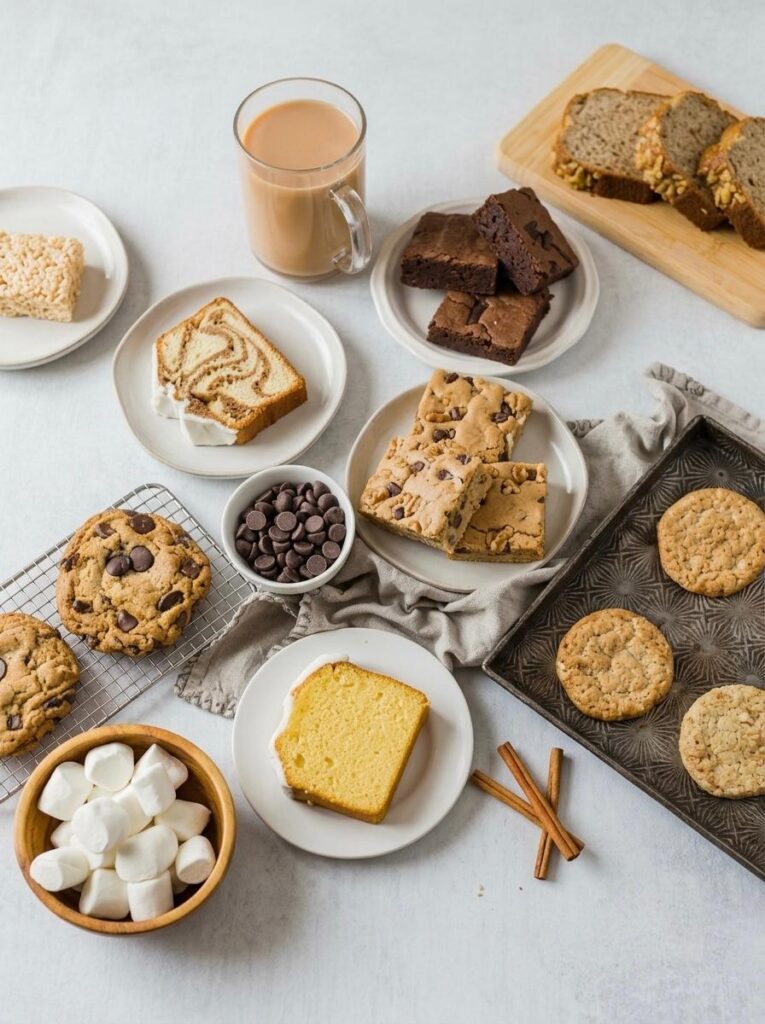
Brown butter adds incredible flavor to many baked goods, including:
- Brown Butter Chocolate Chip Cookies
- Brown Butter Blondies
- Brown Butter Banana Bread
- Brown Butter Pound Cake
- Brown Butter Frosting
- Brown Butter Rice Krispie Treats
- Brown Butter Cinnamon Rolls
- Brown Butter Apple Cake
- Brown Butter Shortbread
- Brown Butter Pumpkin Bread
Once you’ve mastered this simple technique, you’ll discover countless ways to use brown butter to add rich, bakery-quality flavor to your favorite recipes. It’s a small step that makes an unforgettable difference in your baking.
Leave a Reply