
Learn Why Cookies Spread Too Much and How to Bake Thick, Bakery-Style Cookies Every Time
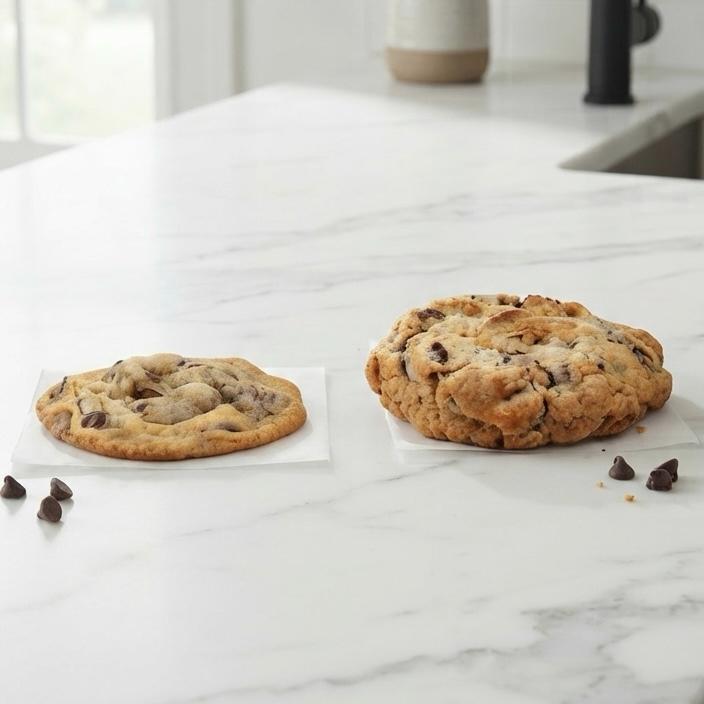
One of the most common baking frustrations is pulling a tray of cookies from the oven only to find that they’ve spread into thin, flat circles. Fortunately, cookie spread isn’t random—it’s usually the result of a few simple factors that can be corrected.
Everything from butter temperature and flour measurement to baking time and oven temperature affects how much cookies spread during baking.
Whether you’re trying to make thick bakery-style chocolate chip cookies or simply want more consistent results, understanding why cookies spread is one of the most valuable cookie-baking skills you can learn.
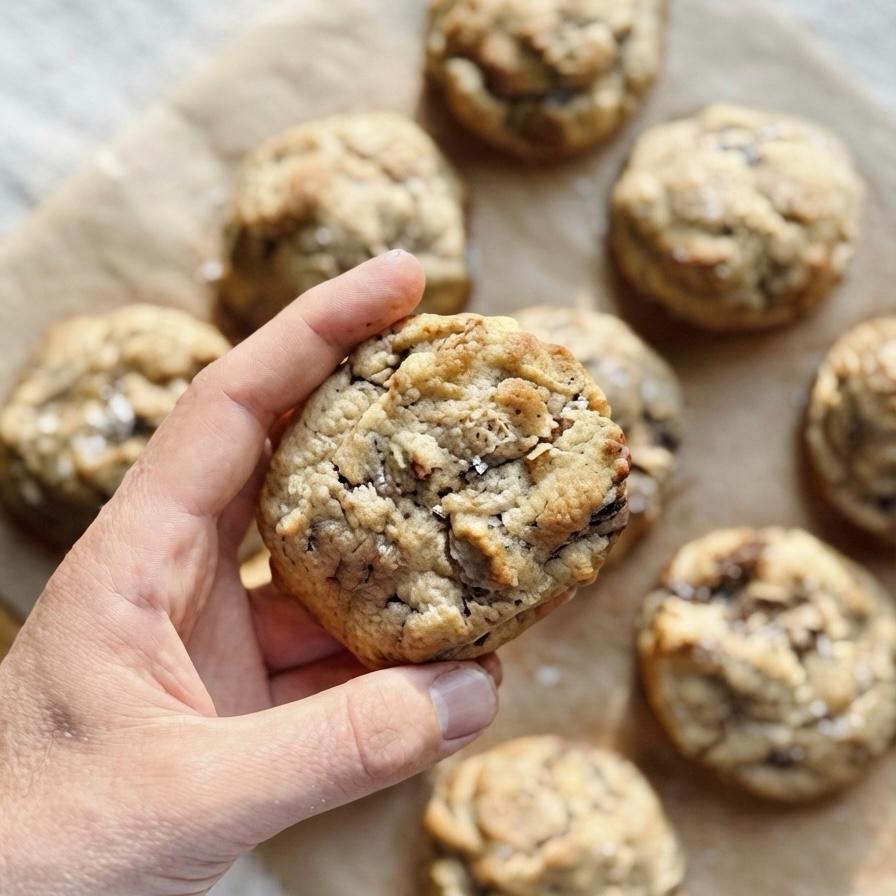
Why Do Cookies Spread?
Cookies naturally spread as the butter melts and the dough softens in the oven.
As the dough heats, the butter melts, sugars dissolve, and the cookie begins to flatten before the flour and eggs have time to set the structure.
A small amount of spreading is completely normal.
The goal isn’t to stop cookies from spreading entirely—it’s to control how much they spread.
The Most Common Reasons Cookies Spread Too Much
Several factors can cause excessive spreading.
The most common include:
- Butter that is too warm.
- Too little flour.
- Not chilling the dough.
- Too much sugar.
- Warm baking sheets.
- Oven temperature that is too low.
- Overmixed dough.
Fortunately, each of these problems has a simple solution.
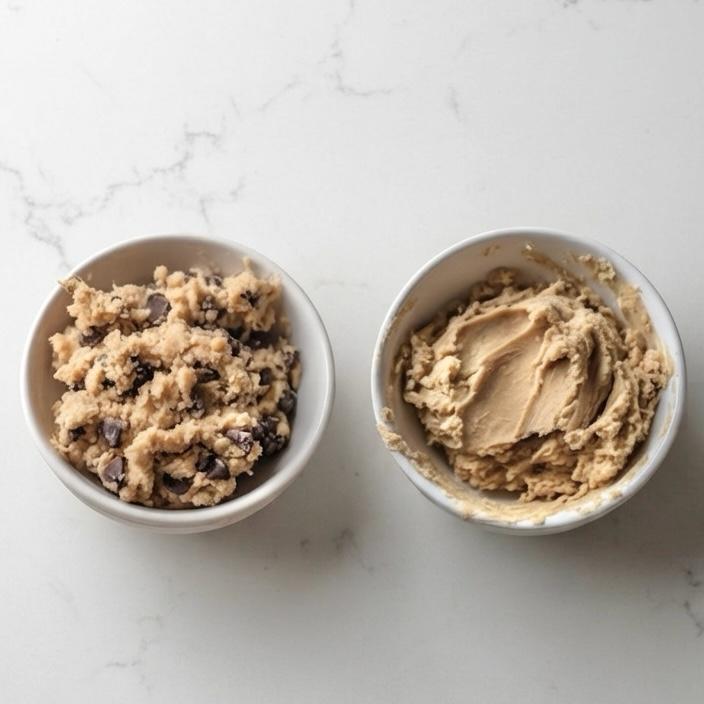
Butter That Is Too Soft
Butter is one of the biggest reasons cookies spread too much.
If butter is partially melted or overly soft, it melts almost immediately in the oven before the dough has time to set.
For most cookie recipes, softened butter should still feel cool and hold its shape when gently pressed.
If your kitchen is very warm, refrigerate the dough before baking.
Measuring Flour Incorrectly
Adding too little flour creates a loose dough that spreads easily.
Always measure flour carefully using the spoon-and-level method or, even better, a digital kitchen scale.
Even a few tablespoons less flour can noticeably change the final result.
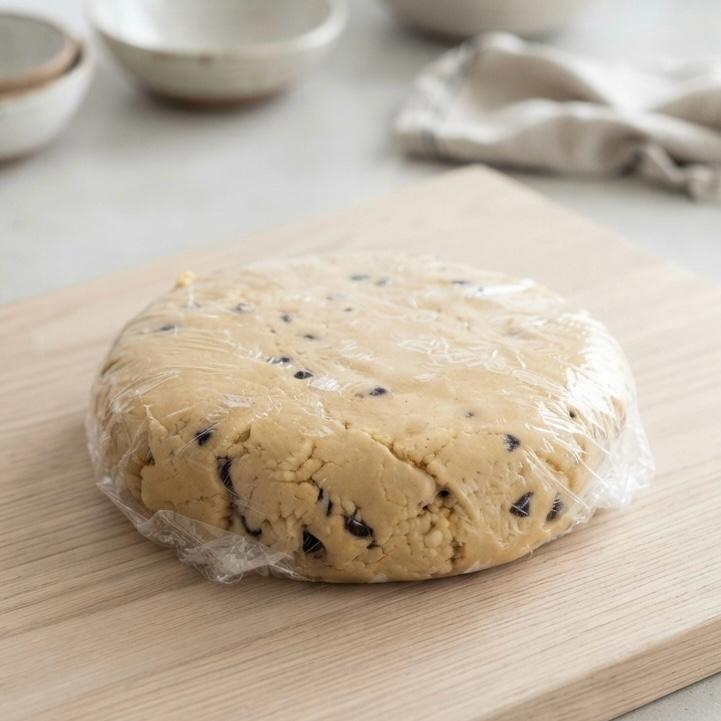
Why Chilling Cookie Dough Helps
Chilling cookie dough solidifies the butter before baking.
Cold dough melts more slowly in the oven, giving the flour and eggs time to build structure before the cookies spread too much.
Many bakery-style cookie recipes recommend chilling the dough for at least one hour, while some benefit from overnight chilling.
Check Your Oven Temperature
An oven that’s cooler than expected allows cookies to spread for too long before they begin setting.
Using an inexpensive oven thermometer is one of the easiest ways to improve baking consistency.
Many home ovens run hotter or cooler than their display indicates.
Don’t Bake on Warm Baking Sheets
If you place cookie dough onto a warm baking sheet, the butter begins melting before the cookies even enter the oven.
Always allow baking sheets to cool completely between batches.
If you’re baking multiple trays, rotate between two baking sheets whenever possible.
Can Too Much Sugar Cause Spreading?
Yes.
Sugar liquefies as it heats.
Recipes with a higher proportion of sugar naturally spread more during baking.
Brown sugar generally produces thicker, softer cookies, while granulated sugar encourages more spreading and crisp edges.
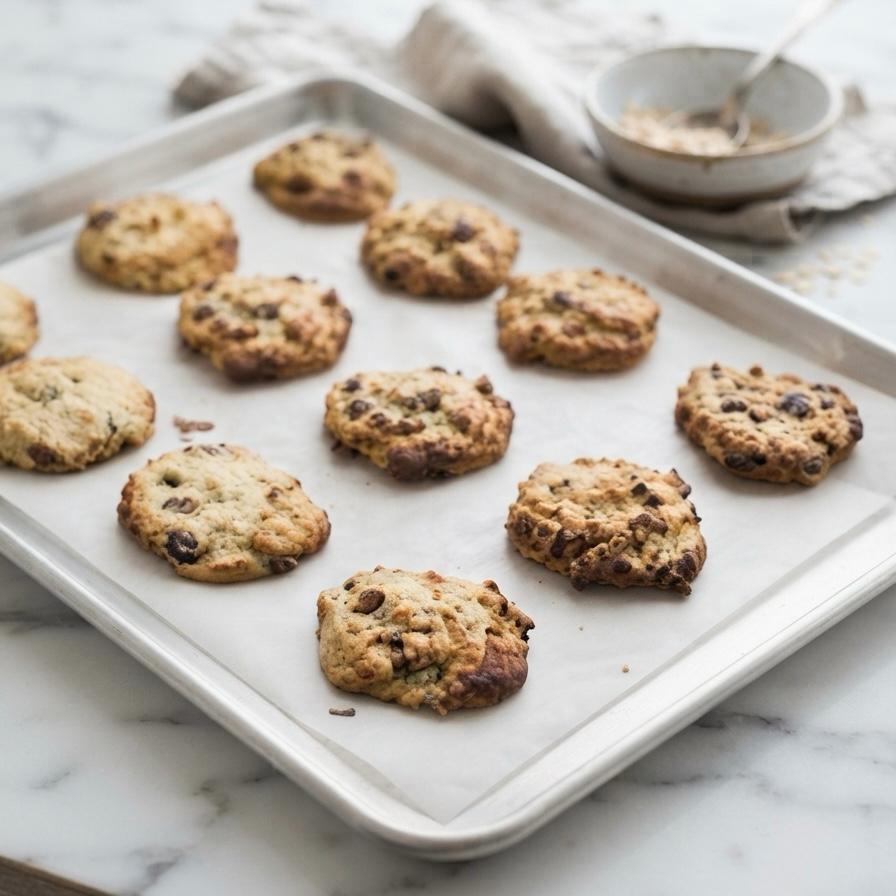
How to Bake Thick Bakery-Style Cookies
If you love thick cookies, these simple adjustments can make a noticeable difference:
- Chill the dough before baking.
- Measure flour accurately.
- Use cool, softened butter.
- Bake on cool baking sheets.
- Preheat the oven fully.
- Avoid overmixing the dough.
- Use larger dough portions for thicker cookies.
These techniques are commonly used by professional bakeries.
Common Mistakes
Using Melted Butter
Melted butter almost always produces flatter cookies.
Skipping the Chill Time
Cold dough spreads more slowly.
Overcrowding the Baking Sheet
Leave enough space between cookies so they bake evenly.
Opening the Oven Too Often
Frequent temperature changes can affect how cookies bake.
Frequently Asked Questions
Why did my cookies spread into one giant cookie?
The dough likely contained too much butter, too little flour, or was placed on a warm baking sheet.
Why do bakery cookies stay thick?
Professional bakers often chill the dough, use larger portions, and carefully balance the ingredient ratios.
Should I always chill cookie dough?
Not every recipe requires it, but chilling usually improves thickness and flavor.
Does butter temperature matter?
Absolutely. Butter that is too warm is one of the most common causes of flat cookies.
Can expired baking powder or baking soda affect spreading?
Yes. Weak leavening agents can reduce lift and contribute to flatter cookies.
Pro Tips
- Weigh ingredients whenever possible.
- Chill the dough before baking.
- Bake one tray at a time.
- Use parchment paper for consistent baking.
- Allow baking sheets to cool between batches.
- Avoid overmixing once the flour has been added.
Recipes That Use These Cookie Tips
These techniques will help you bake better results in recipes such as:
- Classic Chocolate Chip Cookies
- Brown Butter Chocolate Chip Cookies
- Bakery-Style Chocolate Chip Cookies
- Levain Bakery Chocolate Chip Cookies
- Thick Chocolate Chip Cookies
- Chewy Chocolate Chip Cookies
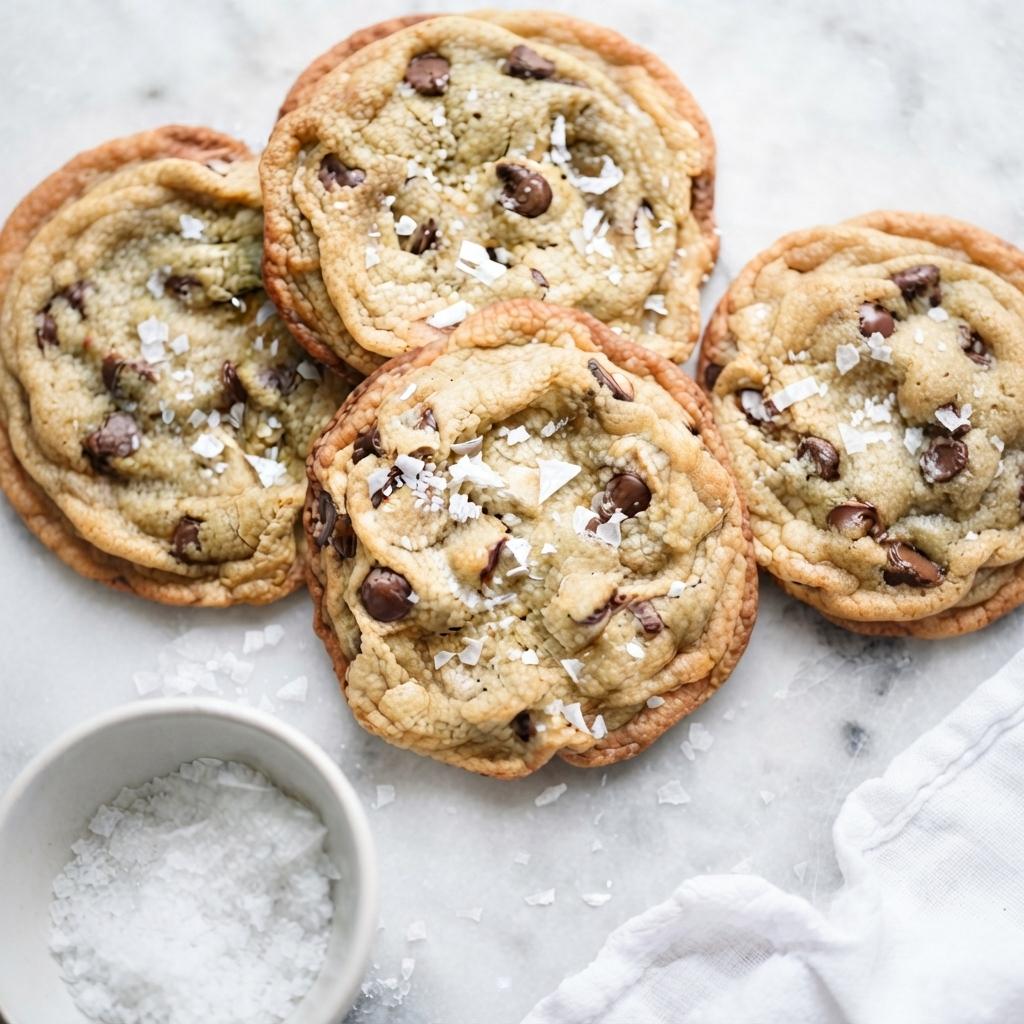
- Sea Salt Chocolate Chip Cookies
- Small Batch Chocolate Chip Cookies
- Chocolate Chip Cookie Bars
- Sugar Cookies
Understanding why cookies spread gives you the confidence to troubleshoot almost any cookie recipe. With a few simple adjustments, you’ll be able to bake thicker, softer, and more consistent cookies every time.
Leave a Reply