
Learn the Difference Between Active Dry and Instant Yeast and How to Use Each One Successfully
Yeast is the ingredient responsible for making bread, pizza dough, cinnamon rolls, brioche, and many other baked goods rise. While most recipes call for either active dry yeast or instant yeast, many home bakers aren’t sure what makes them different—or whether they can be substituted.
Although both types perform the same basic job, they work slightly differently during mixing and fermentation. Understanding when to use each one will help you bake lighter, fluffier breads with greater confidence.
This guide explains everything you need to know about active dry yeast and instant yeast.
What Is Active Dry Yeast?
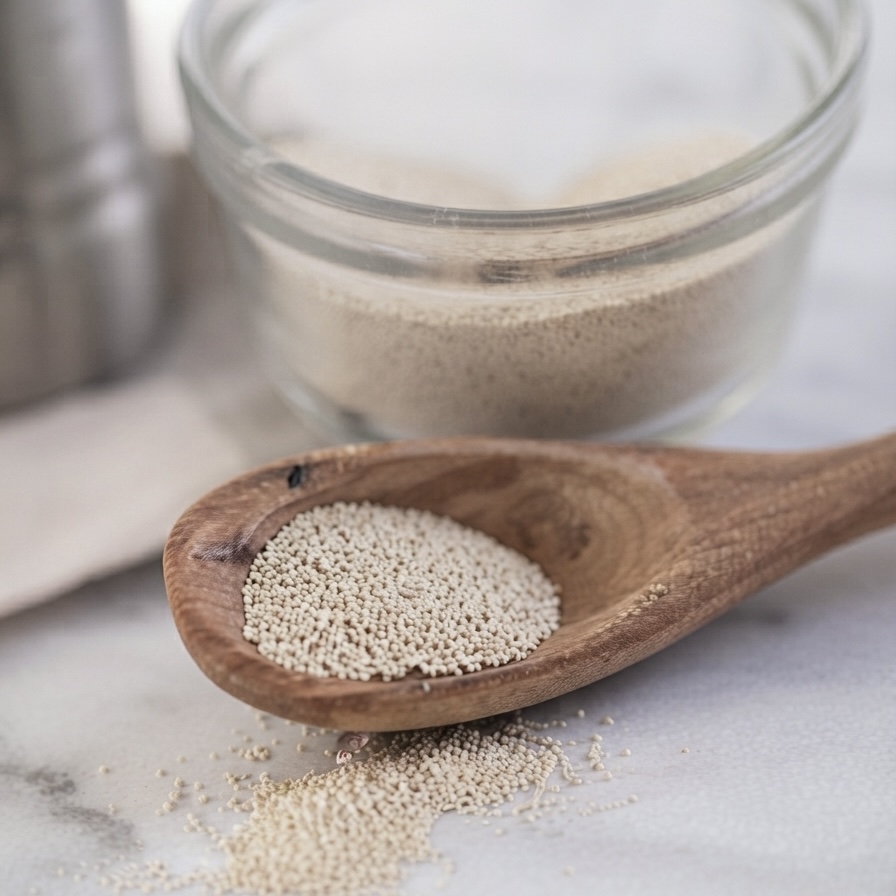
Active dry yeast is made of dormant yeast granules coated with a protective layer.
Before using it, many recipes recommend dissolving the yeast in warm water with a small amount of sugar. This process, called proofing or blooming, confirms that the yeast is alive before it’s added to the dough.
Although some modern brands can be mixed directly into dry ingredients, proofing is still a helpful step, especially if the yeast has been stored for a long time.
What Is Instant Yeast?
Instant yeast consists of finer granules that dissolve much more quickly.
Unlike active dry yeast, it can usually be mixed directly with the flour without proofing first.
Because it activates faster, it often shortens the overall rising time, making it a popular choice for home bakers and professionals alike.
What Is the Difference?
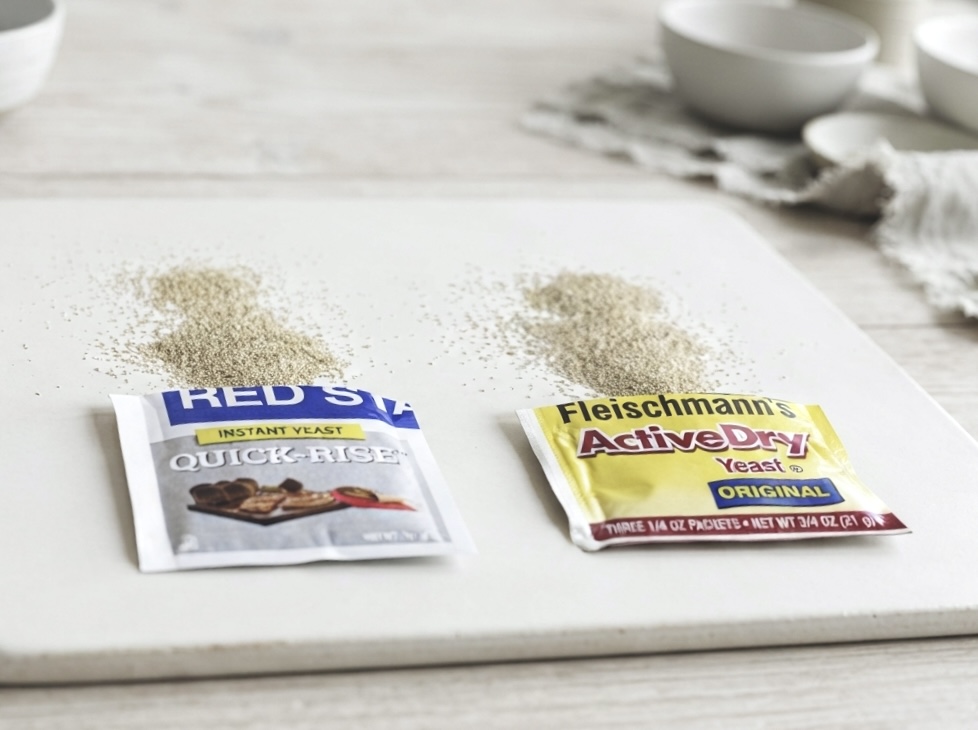
Both yeasts create carbon dioxide gas that helps dough rise, but they differ in how they are used.
Active dry yeast:
- Usually benefits from proofing.
- Activates a little more slowly.
- Has larger granules.
- Works well for most traditional bread recipes.
Instant yeast:
- Can usually be mixed directly with flour.
- Activates more quickly.
- Has finer granules.
- Often produces a slightly faster rise.
For most recipes, the finished bread will taste very similar regardless of which type you choose.
Can You Substitute One for the Other?
Yes.
In most recipes, active dry yeast and instant yeast can be substituted for one another.
However, instant yeast generally works a little faster, so the dough may finish rising sooner.
When using active dry yeast, allow slightly more time for fermentation if needed.
Always watch the dough rather than the clock.
How to Proof Active Dry Yeast
If your recipe recommends proofing the yeast, follow these simple steps:
- Warm the water to about 100–110°F (38–43°C).
- Stir in a small amount of sugar.
- Sprinkle the yeast over the water.
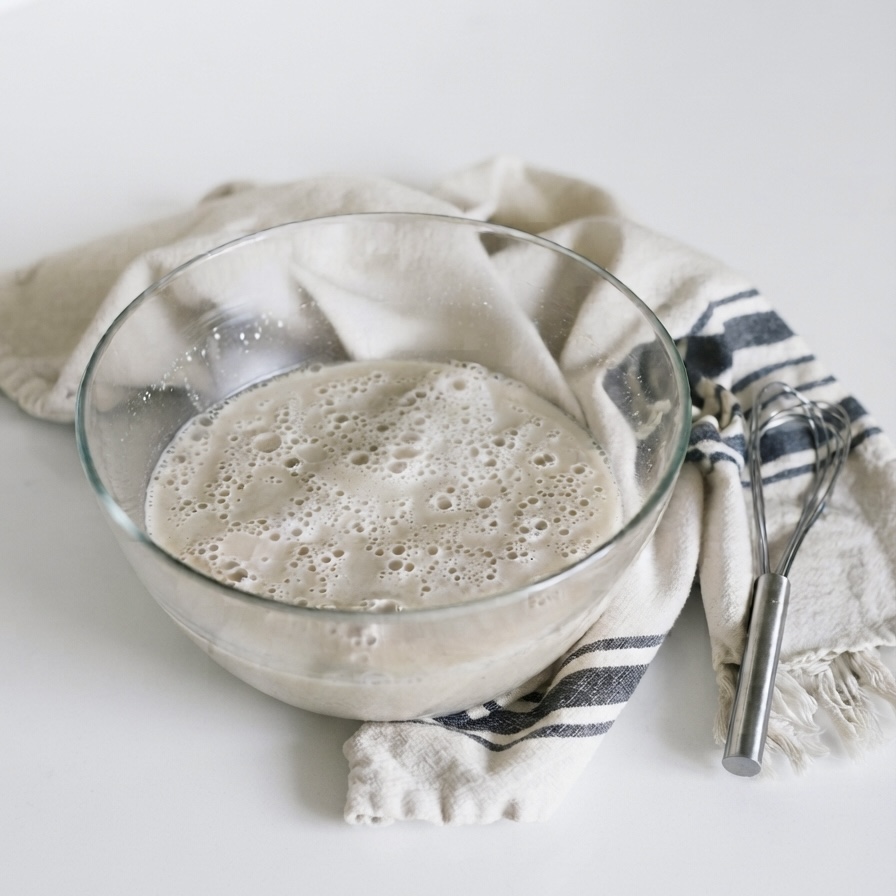
- Let it sit for 5 to 10 minutes.
If the mixture becomes foamy, the yeast is active and ready to use.
If nothing happens, the yeast may be expired.
How to Store Yeast
Unopened yeast should be stored in a cool, dry place.
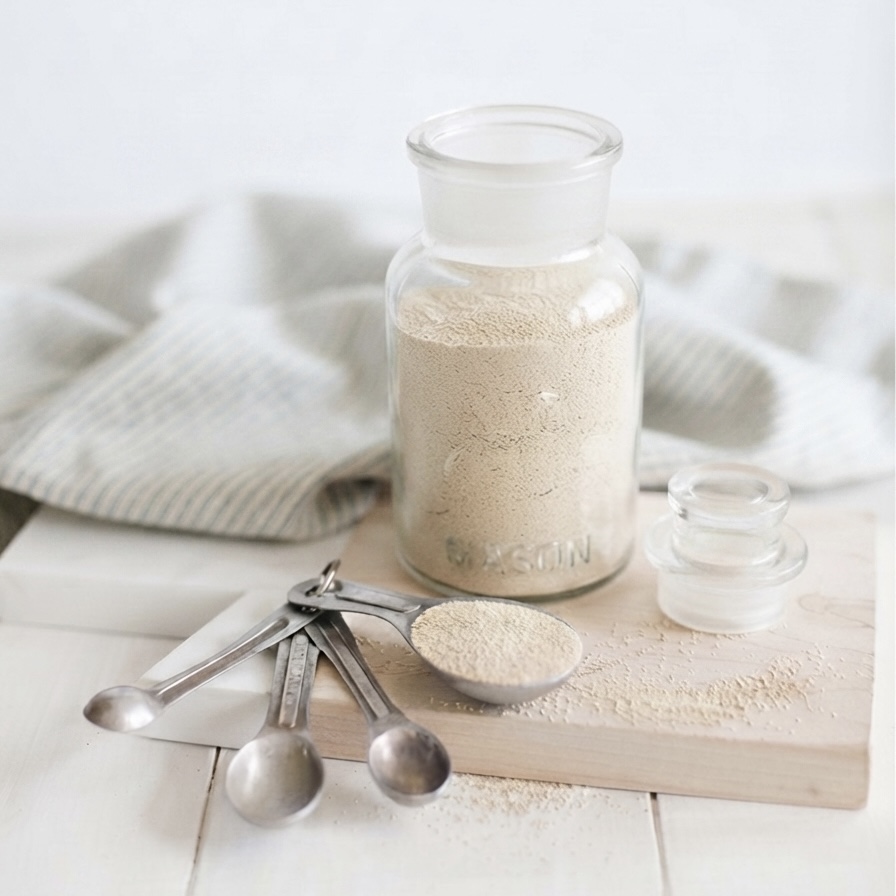
Once opened, keep it in an airtight container in the refrigerator or freezer to extend its shelf life.
Proper storage helps maintain yeast activity for many months.
Common Mistakes
Using Water That Is Too Hot
Very hot water can kill the yeast before it has a chance to activate.
Using Cold Water
Cold water slows yeast activity and lengthens rising time.
Using Expired Yeast
Old yeast loses its ability to produce enough gas for proper rising.
Forgetting That Instant Yeast Works Faster
Keep an eye on the dough, as instant yeast often shortens fermentation time.
Frequently Asked Questions
Which yeast is better?
Neither is better. Both produce excellent bread when used correctly.
Can I skip proofing active dry yeast?
Many modern brands allow this, but proofing remains a useful way to confirm the yeast is active.
Why didn’t my dough rise?
Possible causes include expired yeast, water that was too hot, water that was too cold, or insufficient rising time.
Can I freeze yeast?
Yes. Freezing yeast helps extend its shelf life while maintaining its effectiveness.
Does instant yeast change the flavor?
No. The flavor difference between the two types is generally minimal.
Pro Tips
- Store opened yeast in an airtight container.
- Always check expiration dates.
- Use a thermometer when warming water.
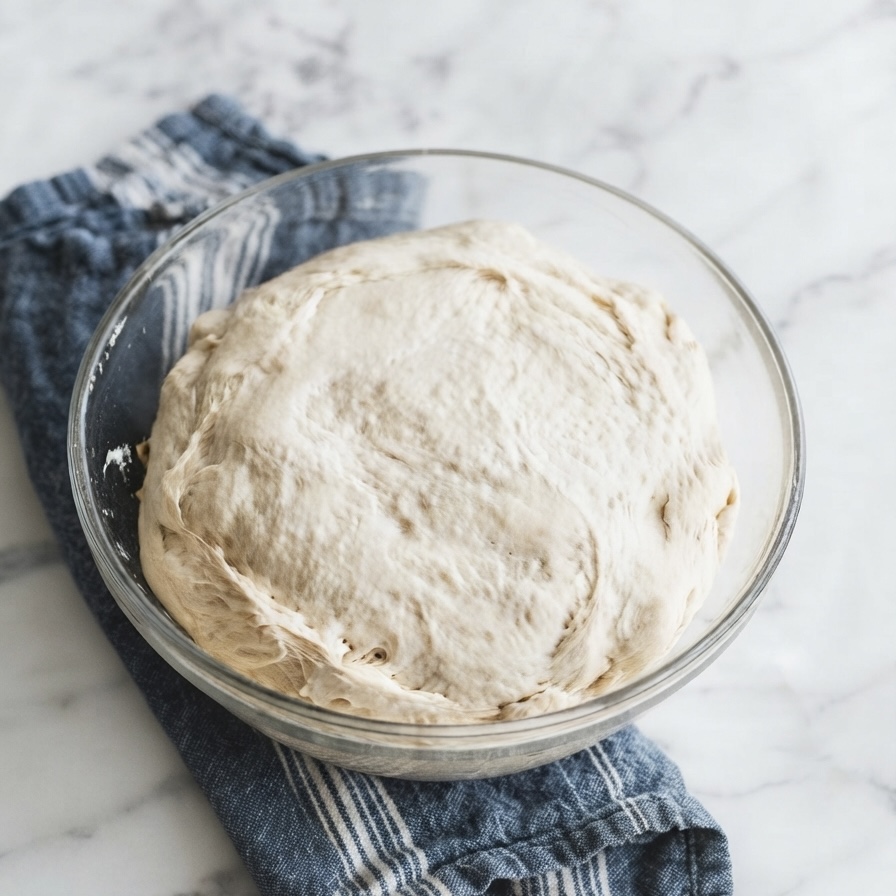
- Allow the dough to rise until doubled in size rather than relying only on time.
- Keep yeast away from direct heat and moisture.
Recipes That Use Yeast
Understanding yeast will improve many homemade bread recipes, including:
- Artisan Bread
- Brioche
- Cinnamon Rolls
- Dinner Rolls
- Sandwich Bread
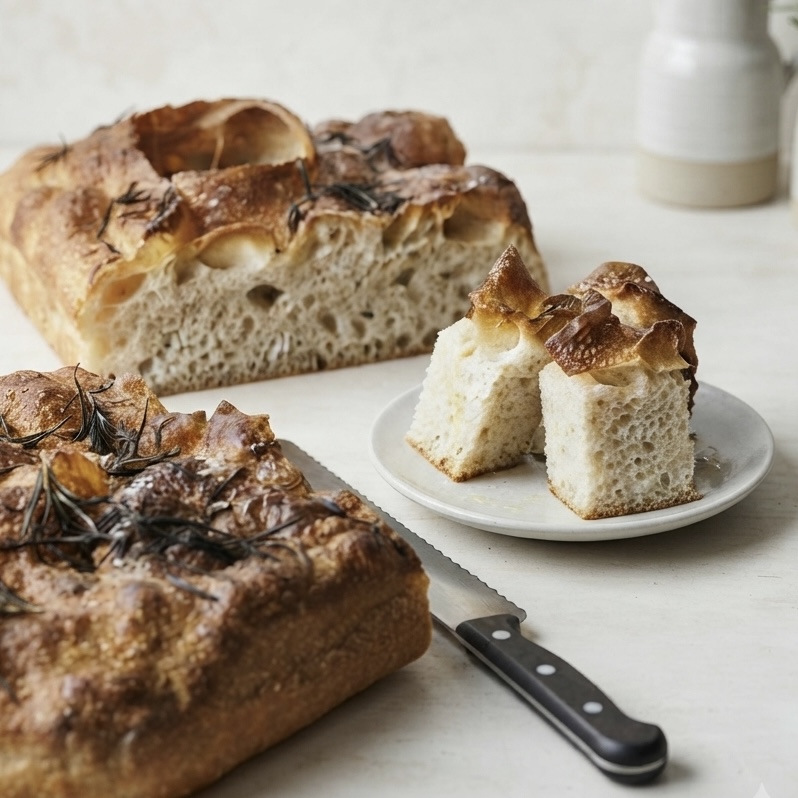
- Focaccia
- Pizza Dough
- Milk Bread
- Hamburger Buns
- Soft Pretzels
Learning how active dry yeast and instant yeast work will give you more confidence when baking with yeast and help you create beautifully risen, soft, and flavorful breads every time.
Leave a Reply