
Learn the Difference Between Dutch-Processed and Natural Cocoa Powder and When to Use Each One
Cocoa powder is one of the most important ingredients in chocolate baking, but not all cocoa powders are the same. While Dutch-process cocoa and natural cocoa may look similar, they behave very differently in recipes.
Choosing the correct cocoa powder affects flavor, color, texture, and even how well your baked goods rise. Using the wrong one can produce cookies that spread too much, cakes that don’t rise properly, or brownies with an unexpected flavor.
This guide explains the differences between Dutch-process cocoa and natural cocoa so you can confidently choose the right one for every recipe.
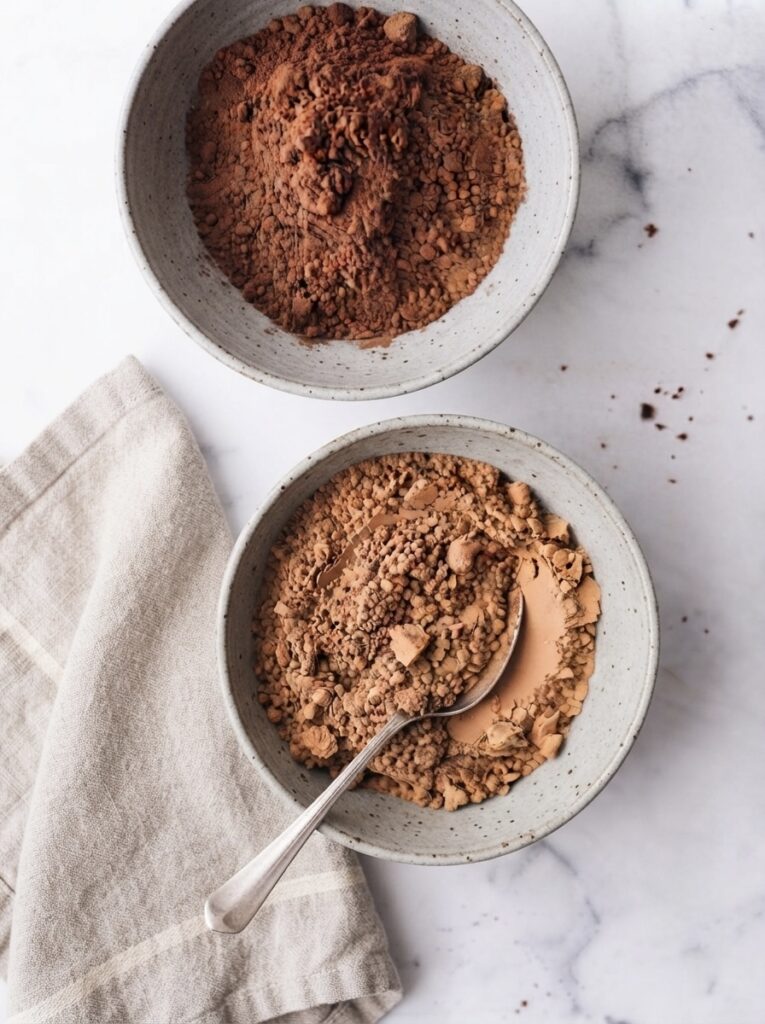
What Is Natural Cocoa Powder?
Natural cocoa powder is made by pressing cocoa beans to remove most of the cocoa butter before grinding the remaining solids into a fine powder.
It naturally has an acidic pH, which gives it a bright, bold chocolate flavor.
Because it is acidic, natural cocoa reacts with baking soda to produce carbon dioxide, helping baked goods rise.
Natural cocoa is commonly used in:
- Chocolate chip cookies
- Brownies
- Devil’s food cake
- Chocolate muffins
- Quick breads
Its flavor is often described as rich, fruity, and intensely chocolatey.
What Is Dutch-Process Cocoa Powder?
Dutch-process cocoa is treated with an alkaline solution to neutralize its natural acidity.
This process gives it:
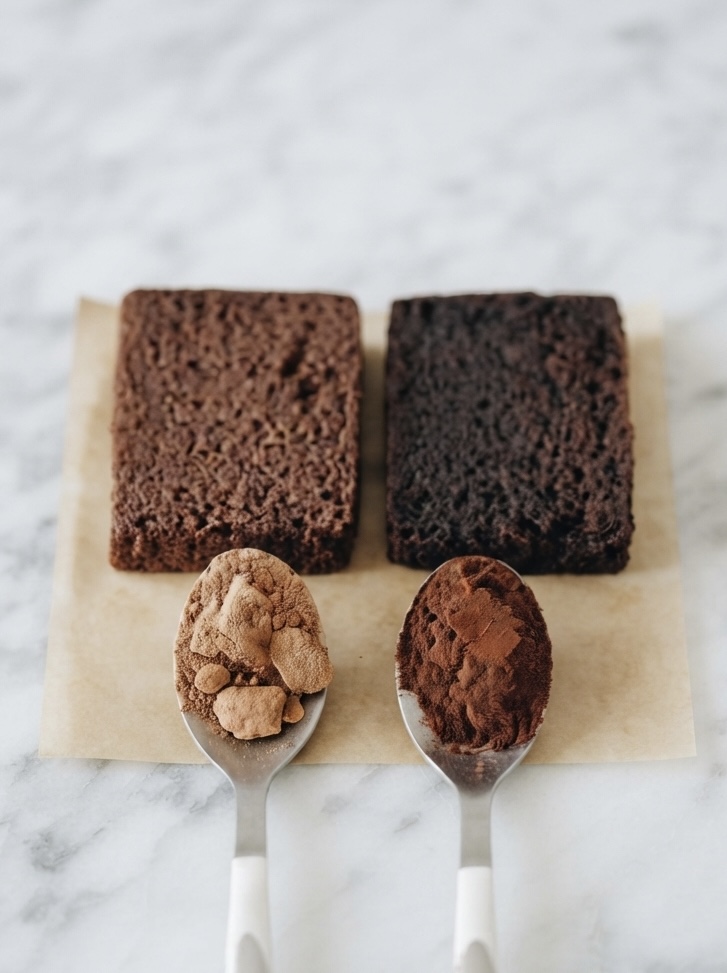
- A darker color.
- A smoother flavor.
- Less bitterness.
- A milder chocolate taste.
Because it is no longer acidic, Dutch-process cocoa usually works best in recipes that use baking powder rather than baking soda.
It is commonly used for elegant chocolate cakes, frostings, and European-style desserts.
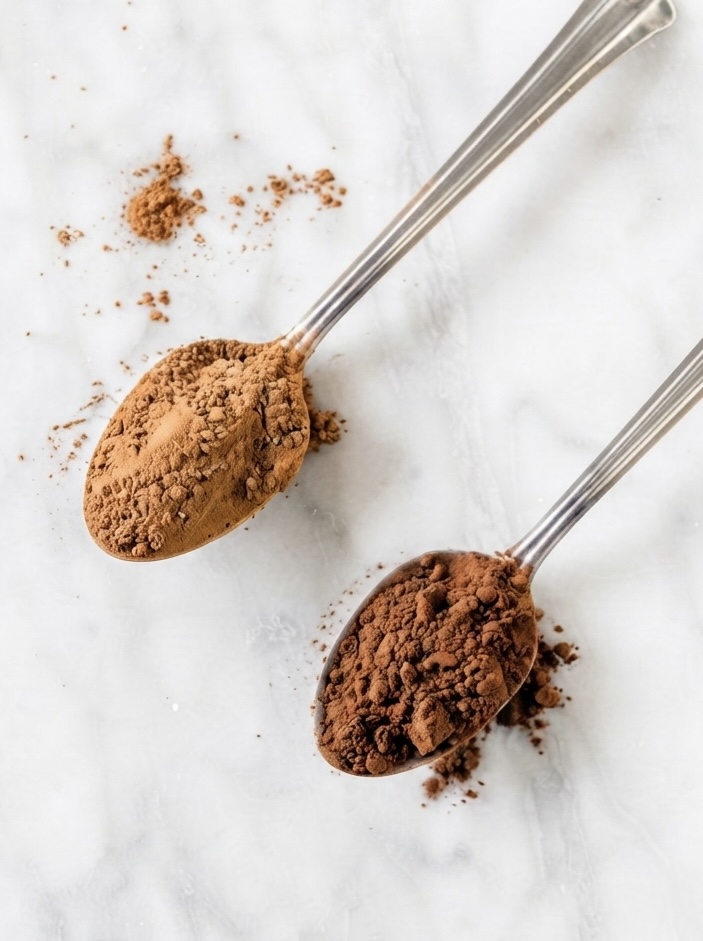
What Is the Biggest Difference?
Although both cocoa powders provide chocolate flavor, they perform differently in baking.
Natural cocoa:
- More acidic.
- Lighter brown color.
- Stronger chocolate flavor.
- Reacts with baking soda.
Dutch-process cocoa:
- Neutral pH.
- Darker appearance.
- Smoother flavor.
- Usually paired with baking powder.
Understanding this difference helps explain why recipes specify one type over the other.
Can You Substitute One for the Other?
In many recipes, it’s not recommended.
Since the two cocoa powders have different acidity levels, substituting one for the other can affect:
- Rise
- Texture
- Flavor
- Color
Always use the cocoa powder listed in the recipe whenever possible.
If substitutions are necessary, other ingredients usually need adjustment as well.
Which Cocoa Powder Is Better?
Neither cocoa powder is universally better.
Each one is designed for different baking applications.
Choose natural cocoa if you want:
- Bold chocolate flavor.
- Lighter-colored baked goods.
- Recipes using baking soda.
Choose Dutch-process cocoa if you want:
- Dark chocolate color.
- Smooth, mellow flavor.
- Rich European-style desserts.
Many experienced bakers keep both varieties in their pantry.
How to Tell Which Cocoa Powder You Have
Check the ingredient label.
Natural cocoa is usually labeled simply as “cocoa powder.”
Dutch-process cocoa often includes terms such as:
- Dutch Process
- Dutched Cocoa
- Alkalized Cocoa
If the package mentions that the cocoa has been alkalized, it is Dutch-process cocoa.
Common Mistakes
Using the Wrong Cocoa Powder
Recipes are developed around a specific type of cocoa. Changing it may affect the entire recipe.
Ignoring the Leavening Agent
Natural cocoa pairs with baking soda. Dutch-process cocoa usually pairs with baking powder.
Expecting the Same Color
Dutch-process cocoa naturally produces much darker baked goods.
Storing Cocoa Improperly
Store cocoa powder in an airtight container away from heat and moisture.
Frequently Asked Questions
Can I substitute Dutch-process cocoa for natural cocoa?
Usually not without adjusting the recipe.
Why is Dutch cocoa darker?
The alkalizing process darkens the cocoa while softening its flavor.
Which cocoa tastes stronger?
Natural cocoa generally has a brighter, more intense chocolate flavor.
Which cocoa is better for brownies?
Both work well, depending on the recipe and desired flavor profile.
Does cocoa powder expire?
Yes. While it lasts a long time, it gradually loses flavor over time.
Pro Tips
- Read the recipe carefully before choosing your cocoa powder.
- Store cocoa in an airtight container.
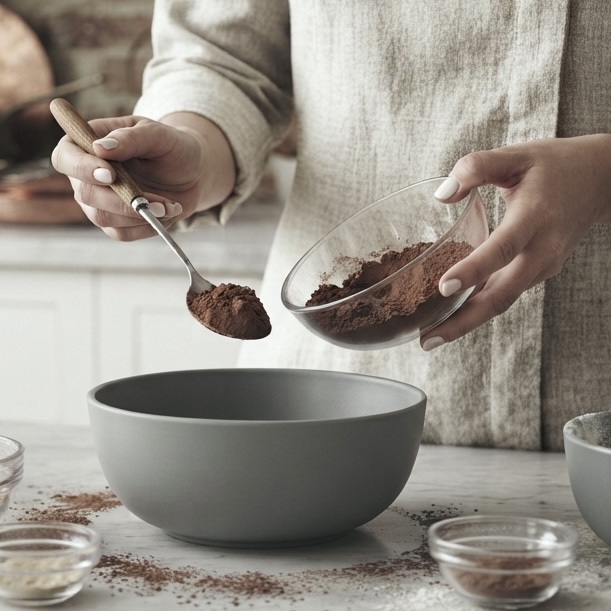
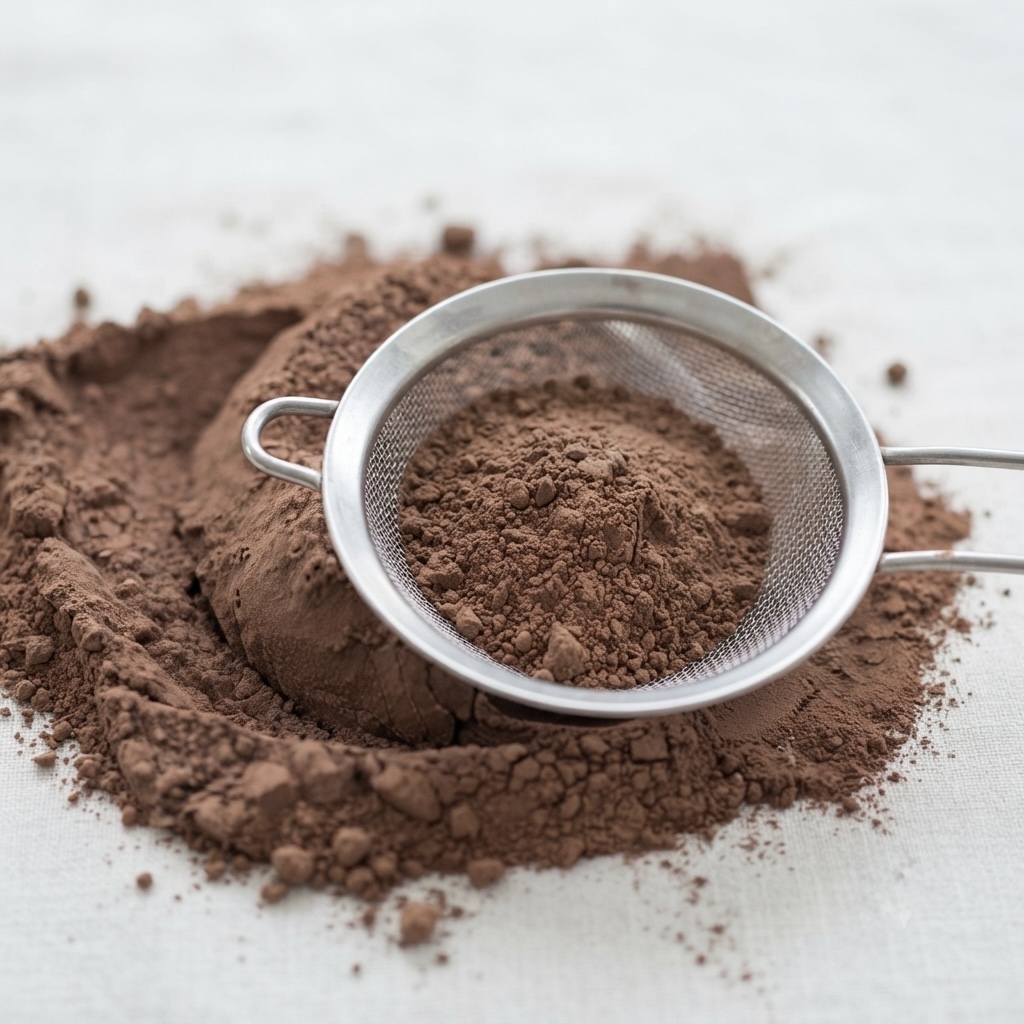
- Sift cocoa powder before mixing if it contains lumps.
- Keep both natural and Dutch-process cocoa in your pantry if you bake frequently.
- Use high-quality cocoa for the richest chocolate flavor.

Recipes That Use Cocoa Powder
Understanding cocoa powder will improve many chocolate recipes, including:
- Chocolate Crinkle Cookies
- Red Velvet Crinkle Cookies
- Double Chocolate Chip Cookies
- Triple Chocolate Cookies
- Chocolate Muffins
- Chocolate Cake
- Brownies
- Chocolate Loaf Cake
- Chocolate Buttercream
- Chocolate Cupcakes
Once you understand how Dutch-process cocoa and natural cocoa behave, you’ll be able to choose the right ingredient with confidence and create richer, more consistent chocolate desserts every time.
Leave a Reply