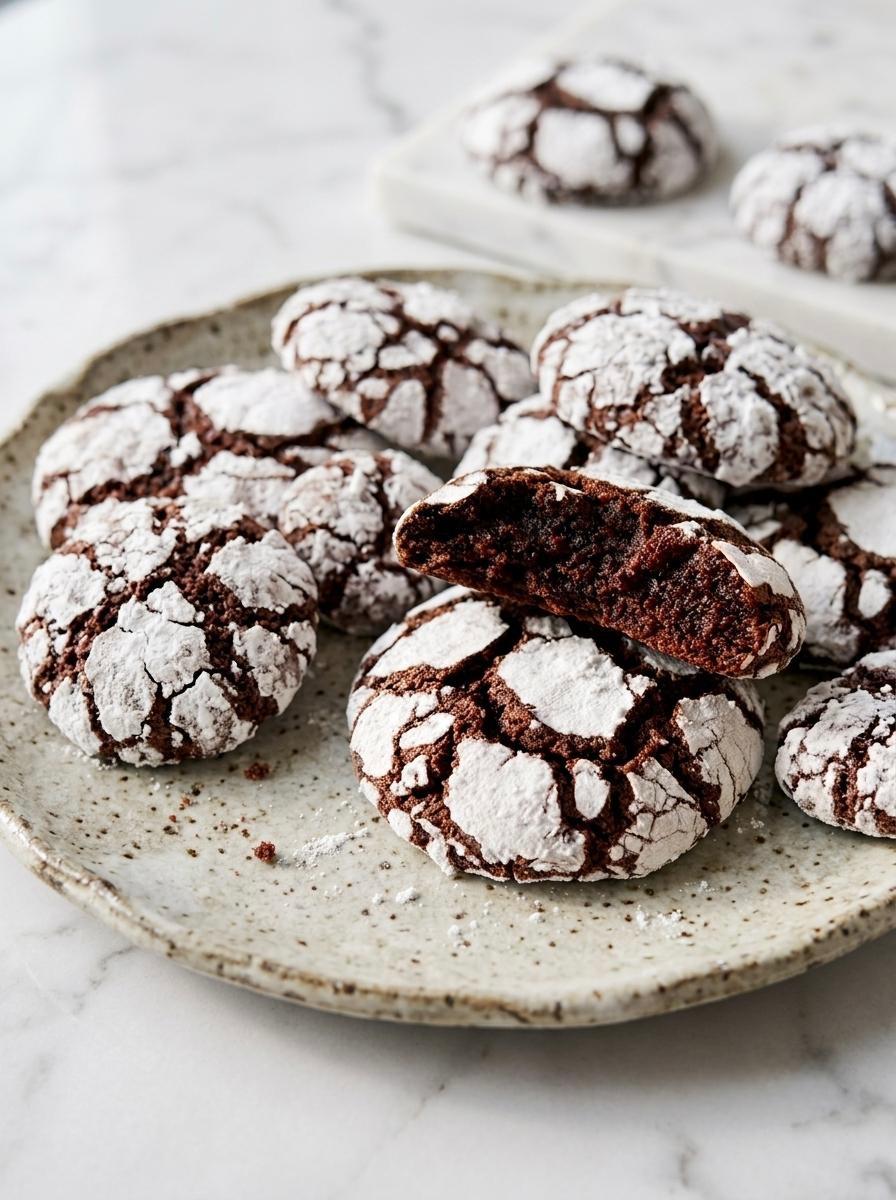
Ingredients
Equipment
Method
- In a medium bowl, whisk together the cocoa powder, flour, baking powder, and salt until evenly combined. If your cocoa powder contains lumps, sift it first to create a smoother dry mixture. For consistently accurate results, measure your flour using the spoon-and-level method. (See our How to Measure Flour Correctly guide.)
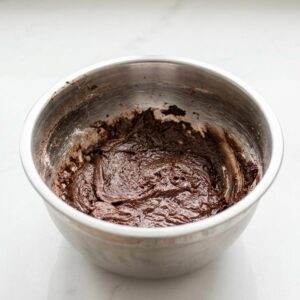
- In a large mixing bowl, beat the softened butter and granulated sugar on medium speed for 3 to 4 minutes until the mixture becomes noticeably lighter in color and fluffy in texture. Proper creaming incorporates air into the dough, producing softer cookies with better structure. (Learn more in our How to Cream Butter and Sugar guide.)
- Beat in the eggs one at a time, mixing well after each addition before adding the next. Stir in the vanilla extract until everything is fully incorporated. If your ingredients are at room temperature, they'll blend together much more smoothly. (Read our Why Room Temperature Ingredients Matter guide.)
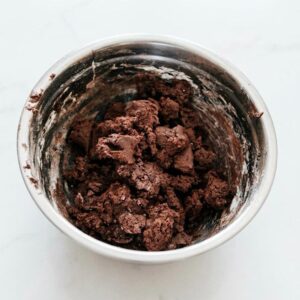
- Add the dry ingredients to the wet mixture in two or three additions, mixing on low speed just until no dry flour remains. Avoid overmixing once the flour is incorporated, as excessive mixing develops gluten and can make the cookies less tender.
- Cover the bowl tightly and refrigerate the dough for at least 1 hour. Chilling firms the dough, making it much easier to roll while also helping the cookies develop their signature thick shape and dramatic crackled tops during baking.
- Preheat the oven to 350°F (175°C) and line two baking sheets with parchment paper. Scoop approximately 1 tablespoon of dough for each cookie and roll into smooth balls. Coat each ball very generously in confectioners' sugar until completely covered.
- Arrange the coated dough balls about 2 inches apart on the prepared baking sheets. Bake for 10 to 12 minutes, until the cookies have spread slightly, developed deep cracks, and still appear soft in the center. They will continue to set as they cool.
- Allow the cookies to cool on the baking sheet for about 5 minutes before transferring them to a wire rack to cool completely. This short resting period helps the cookies firm up without overbaking, keeping the centers soft and fudgy.
Tip: Properly creamed butter and sugar should look pale, light, and fluffy rather than dense or greasy. This simple step has a major impact on the final cookie texture.
Tip: If you're preparing the dough in advance, it can be refrigerated for up to 48 hours before baking.
Tip: A thick coating of powdered sugar is one of the secrets to achieving bold, high-contrast crinkles after baking.
Notes
- Natural cocoa powder produces a slightly brighter chocolate flavor, while Dutch-process cocoa creates a deeper color and smoother taste. Learn more in our Dutch Process Cocoa vs. Natural Cocoa guide.
- Avoid overbaking. The cookies should still look slightly soft in the center when removed from the oven.
- Store the cookies in an airtight container at room temperature for up to 4 days.
- Freeze baked cookies for up to 3 months. Thaw at room temperature before serving.
- Unbaked dough balls (without powdered sugar) can also be frozen, then thawed, coated, and baked as needed.