
Learn Which Flour to Use for Cookies, Cakes, Bread, Muffins, and Pastries
Flour is the foundation of almost every baked recipe, but not all flours are the same. Choosing the right flour can dramatically affect the texture, structure, rise, and overall success of your baking.
Whether you’re making soft cookies, fluffy cakes, chewy artisan bread, or tender pastries, understanding the different types of flour will help you bake with greater confidence and achieve consistently better results.
This guide explains the most common baking flours, how they differ, and when to use each one.
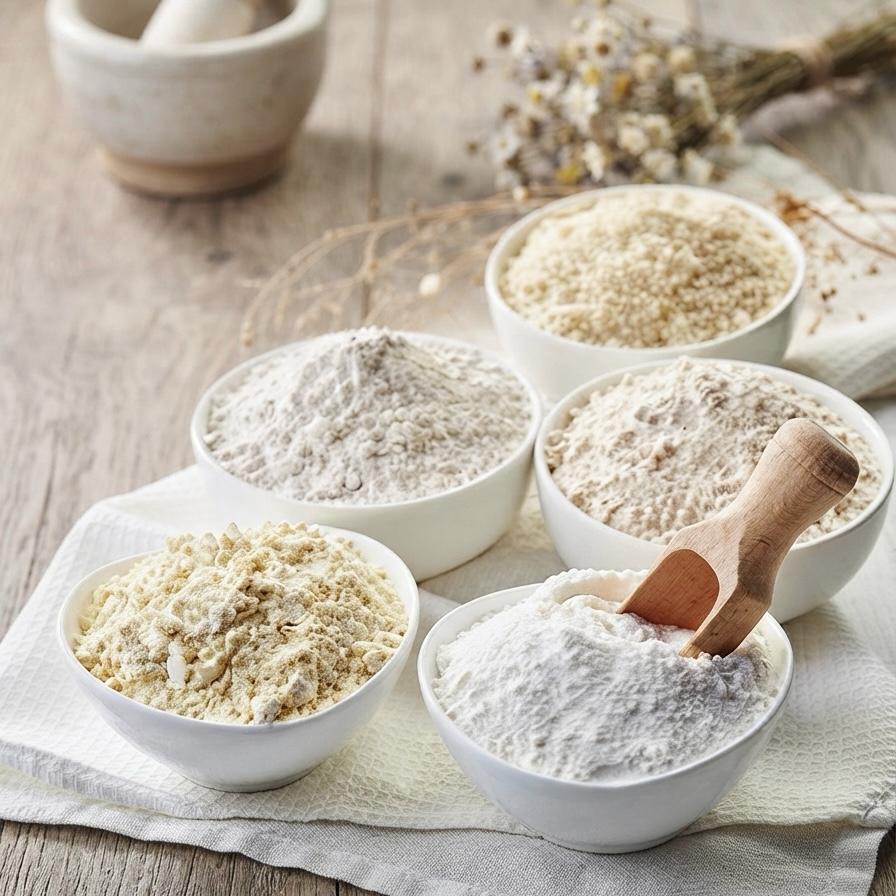
Why Flour Matters
Flour does much more than simply hold ingredients together.
It provides structure, absorbs moisture, develops gluten, and determines whether your baked goods become soft, chewy, light, or crusty.
Using the wrong flour won’t necessarily ruin a recipe, but it can noticeably change the final texture.
Understanding which flour works best for each recipe is one of the easiest ways to improve your baking.
What Is Protein Content?
The biggest difference between baking flours is their protein content.
Higher-protein flours develop more gluten, creating stronger doughs that are ideal for bread.
Lower-protein flours create less gluten, producing softer, more tender baked goods like cakes and delicate pastries.
Learning this simple concept makes choosing flour much easier.
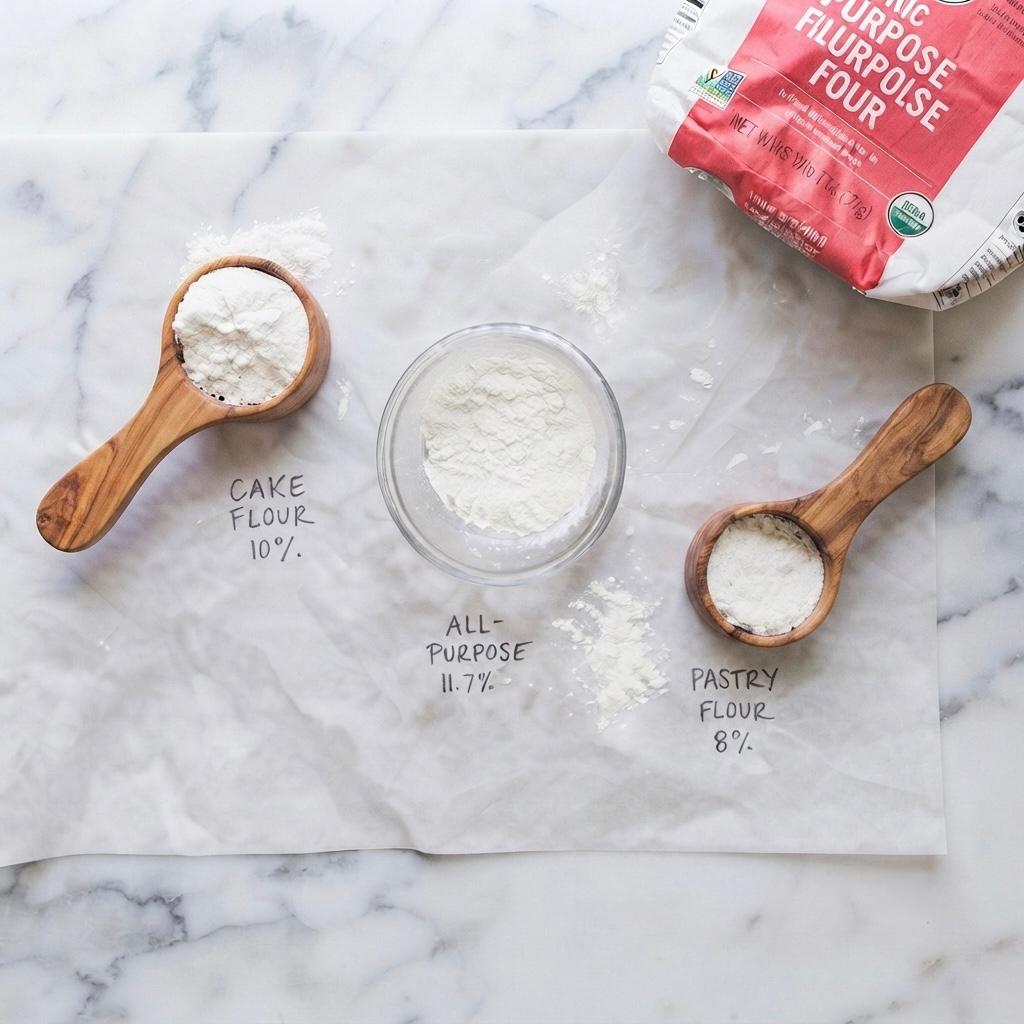
All-Purpose Flour
All-purpose flour is the most versatile flour found in most kitchens.
It has a moderate protein content, making it suitable for many different recipes.
Best for:
- Cookies
- Muffins
- Quick breads
- Brownies
- Pancakes
- Many cakes
If you’re only keeping one flour in your pantry, all-purpose flour is usually the best choice.
Bread Flour
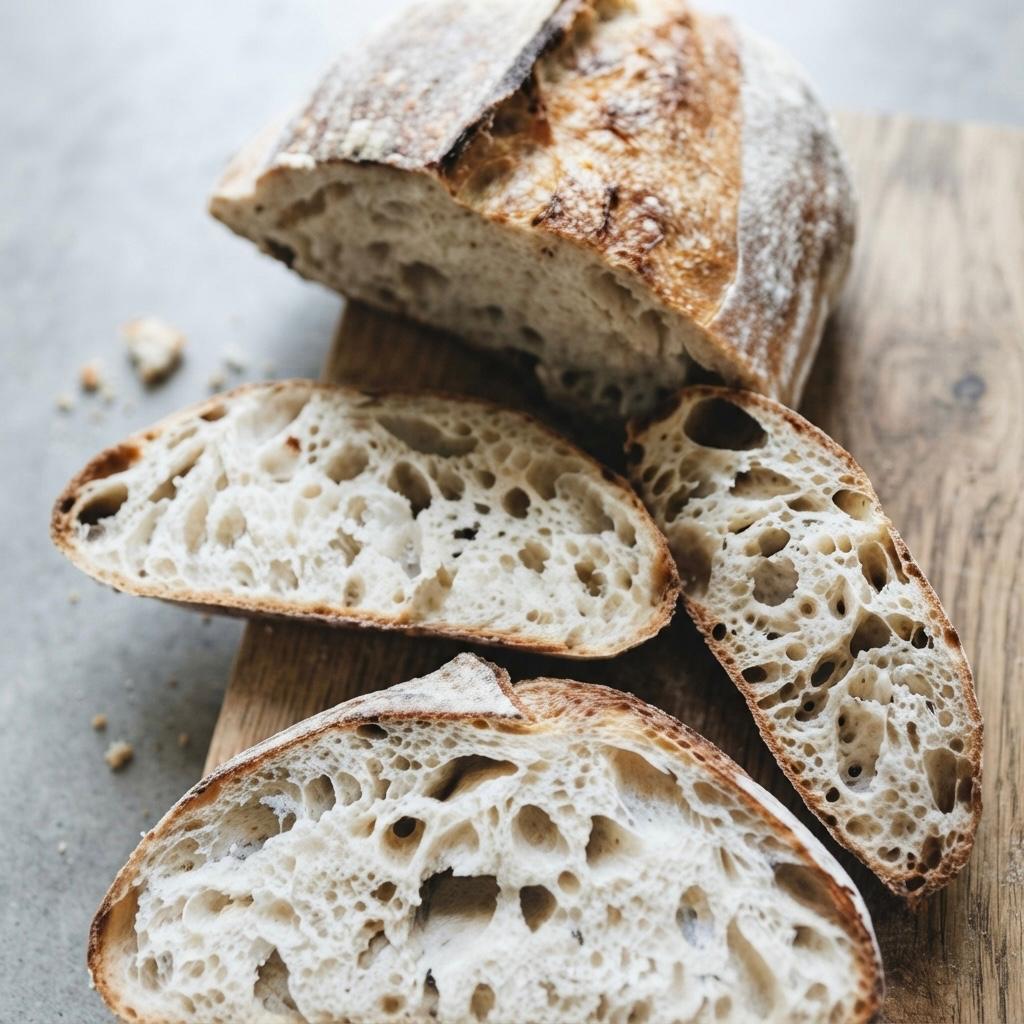
Bread flour contains more protein than all-purpose flour.
The additional protein creates stronger gluten development, resulting in chewy bread with excellent structure.
Best for:
- Artisan bread
- Sandwich bread
- Pizza dough
- Bagels
- Focaccia
- Brioche
Although it can sometimes be used in cookies, it generally produces a chewier texture.
Cake Flour
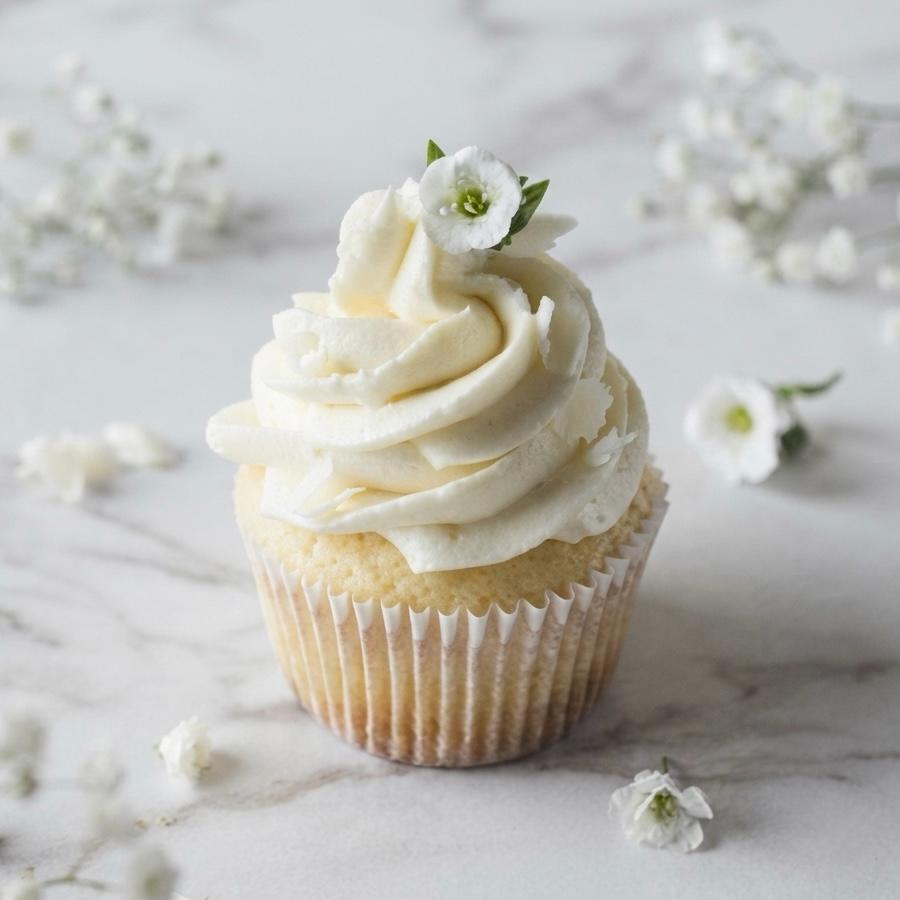
Cake flour has one of the lowest protein levels used in baking.
This produces an exceptionally soft, delicate crumb.
Best for:
- Vanilla cake
- Layer cakes
- Sponge cake
- Cupcakes
- Angel food cake
It is not recommended for yeast breads because it lacks enough protein to build strong gluten.
Pastry Flour
Pastry flour falls between cake flour and all-purpose flour.
It creates baked goods that are tender while still providing enough structure.
Best for:
- Pie crust
- Biscuits
- Scones
- Danish pastry
- Tart crusts
Many pastry chefs prefer it for recipes where tenderness is especially important.
Whole Wheat Flour
Whole wheat flour contains the bran and germ of the wheat kernel.
It provides more fiber and a richer, nuttier flavor than refined flour.
Because it absorbs more liquid and develops gluten differently, recipes often require adjustments when using whole wheat flour.
It works well in:
- Sandwich bread
- Banana bread
- Muffins
- Rustic loaves
Many bakers combine whole wheat flour with all-purpose flour for a lighter texture.
Self-Rising Flour
Self-rising flour already contains baking powder and salt.
It is convenient for recipes specifically developed to use it.
However, it should not be substituted for all-purpose flour unless the recipe has been adjusted accordingly.
It’s commonly used for:
- Biscuits
- Pancakes
- Quick breads
- Southern baking recipes
Common Mistakes
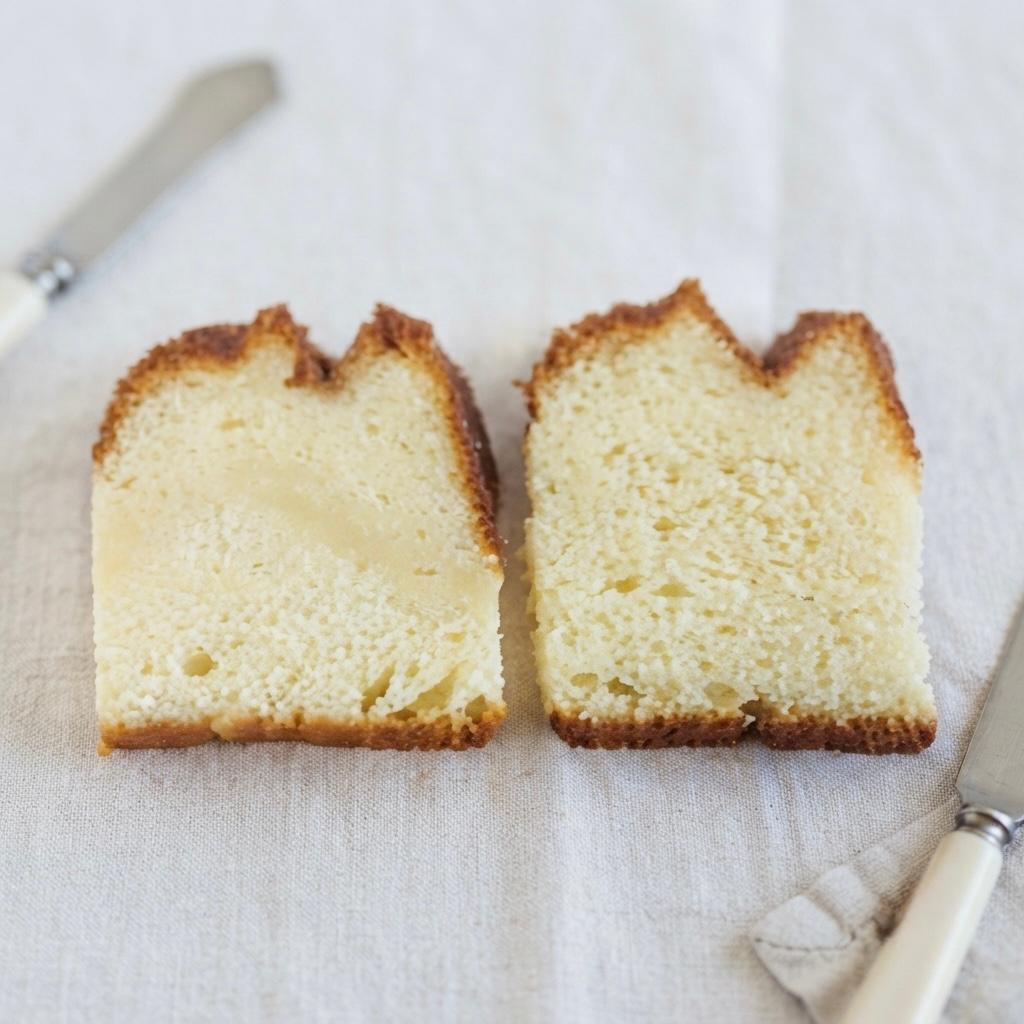
Using Bread Flour Instead of Cake Flour
This often creates cakes that are too dense and chewy.
Replacing Flours Without Adjusting the Recipe
Different flours absorb moisture differently.
Ignoring Protein Content
Protein has one of the biggest influences on texture.
Storing Flour Improperly
Always store flour in an airtight container in a cool, dry place to preserve freshness.
Frequently Asked Questions
Can I substitute all-purpose flour for bread flour?
Usually yes, although bread may have slightly less chew and structure.
Can I make cake flour at home?
Many bakers use a combination of all-purpose flour and cornstarch as a substitute when cake flour isn’t available.
Which flour is best for cookies?
Most cookie recipes use all-purpose flour because it provides an excellent balance of tenderness and structure.
Does whole wheat flour absorb more liquid?
Yes. Whole wheat flour generally requires more moisture than refined flour.
Which flour should beginners buy first?
All-purpose flour is the most versatile choice for everyday baking.
Pro Tips
- Store flour in airtight containers.
- Label containers with the purchase date.
- Use the flour specified in the recipe whenever possible.
- Measure flour accurately using a kitchen scale.
- Avoid substituting flours unless you understand how they’ll affect the recipe.
Recipes That Use Different Types of Flour
Learning which flour works best will improve many recipes, including:
- Classic Chocolate Chip Cookies
- Brown Butter Chocolate Chip Cookies
- Lemon Loaf Cake
- Vanilla Layer Cake
- Blueberry Muffins
- Artisan Bread
- Brioche
- Focaccia
- Pie Crust
- Homemade Biscuits
Understanding flour is one of the biggest steps toward becoming a more confident baker. Once you know how different flours behave, you’ll be able to choose the right one for every recipe and consistently achieve better baking results.
Leave a Reply